Volunteer Networks: The Backbone of Nonprofit Bingo Events in Regions Worldwide
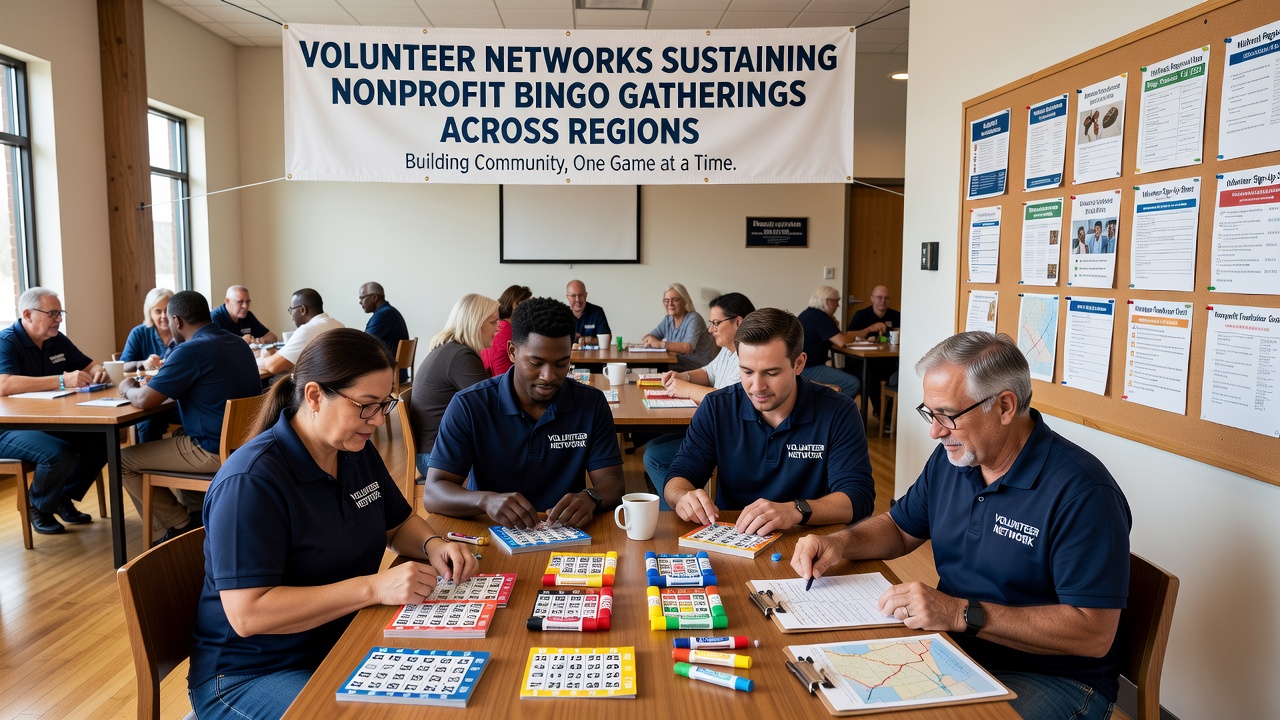 Volunteer networks form the foundation for many nonprofit bingo gatherings that take place in community centers, church halls, and regional facilities across North America, Europe, and parts of Asia. These groups handle everything from scheduling sessions to recruiting callers and distributing modest prizes, all while operating under strict regulatory guidelines that separate charitable play from commercial gaming. In July 2026 several regional organizations reported steady attendance at weekly events, with volunteers managing logistics that allow proceeds to support local causes such as food banks and youth programs. Observers note that these networks often rely on a core group of recurring participants who coordinate with municipal permits and nonprofit tax filings. Data from the National Council of Nonprofits indicates that volunteer hours in charitable gaming events rose by 12 percent between 2023 and 2025, driven largely by retirees and part-time workers who fill multiple roles during each session. The structure keeps costs low because paid staff remain minimal, and revenue after prizes flows directly to designated charities.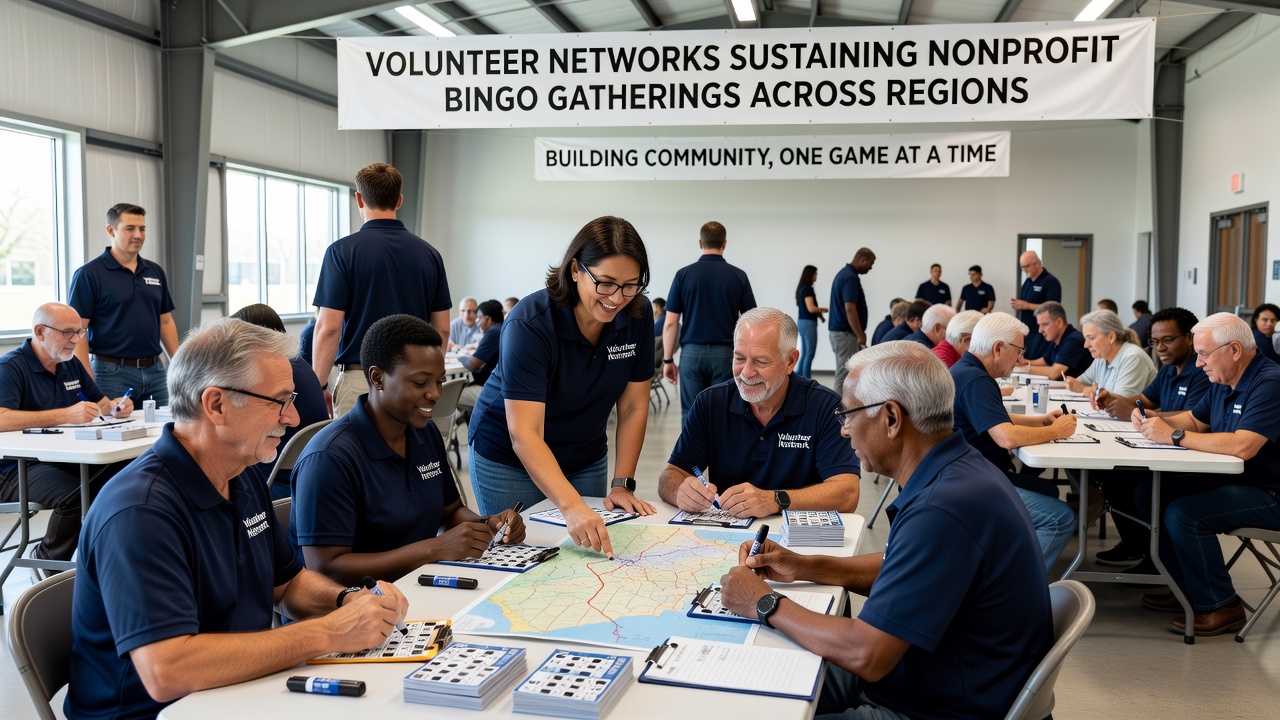
Volunteer networks form the foundation for many nonprofit bingo gatherings that take place in community centers, church halls, and regional facilities across North America, Europe, and parts of Asia. These groups handle everything from scheduling sessions to recruiting callers and distributing modest prizes, all while operating under strict regulatory guidelines that separate charitable play from commercial gaming. In July 2026 several regional organizations reported steady attendance at weekly events, with volunteers managing logistics that allow proceeds to support local causes such as food banks and youth programs. Observers note that these networks often rely on a core group of recurring participants who coordinate with municipal permits and nonprofit tax filings. Data from the National Council of Nonprofits indicates that volunteer hours in charitable gaming events rose by 12 percent between 2023 and 2025, driven largely by retirees and part-time workers who fill multiple roles during each session. The structure keeps costs low because paid staff remain minimal, and revenue after prizes flows directly to designated charities.Regional Patterns in Volunteer Coordination
Across the Midwest and Northeast United States, volunteer committees typically meet monthly to review attendance figures and adjust game formats. They work with local health departments on crowd-capacity rules and coordinate with suppliers for paper cards and daubers. In contrast, Canadian provinces such as Ontario and British Columbia feature networks that partner with provincial lotteries, where volunteers complete mandatory training modules on responsible gaming before each season begins. European examples show similar reliance on volunteers yet operate under different licensing frameworks. In Germany and the Netherlands, registered associations recruit members through civic organizations, and proceeds support cultural preservation projects. Figures reveal that these groups maintain detailed records to comply with transparency requirements, often using shared digital platforms for shift sign-ups and financial reporting.Training and Retention Practices
Many networks develop internal training that covers caller techniques, prize verification, and conflict resolution during crowded sessions. One study from the University of Toronto’s gaming research unit documented how structured onboarding reduced volunteer turnover by nearly 20 percent in participating Ontario halls. Sessions often include role-playing exercises that simulate common questions from first-time players, allowing new recruits to gain confidence before leading actual games. Retention also depends on recognition events. Annual appreciation dinners and small stipends for mileage help sustain commitment, while flexible scheduling accommodates participants who hold other jobs. Networks in rural areas sometimes share volunteers across neighboring towns, creating informal circuits that keep events running even when local numbers dip.