Seasonal Influences on Attendance Patterns at Standalone Bingo Locations and Linked Incentive Programs
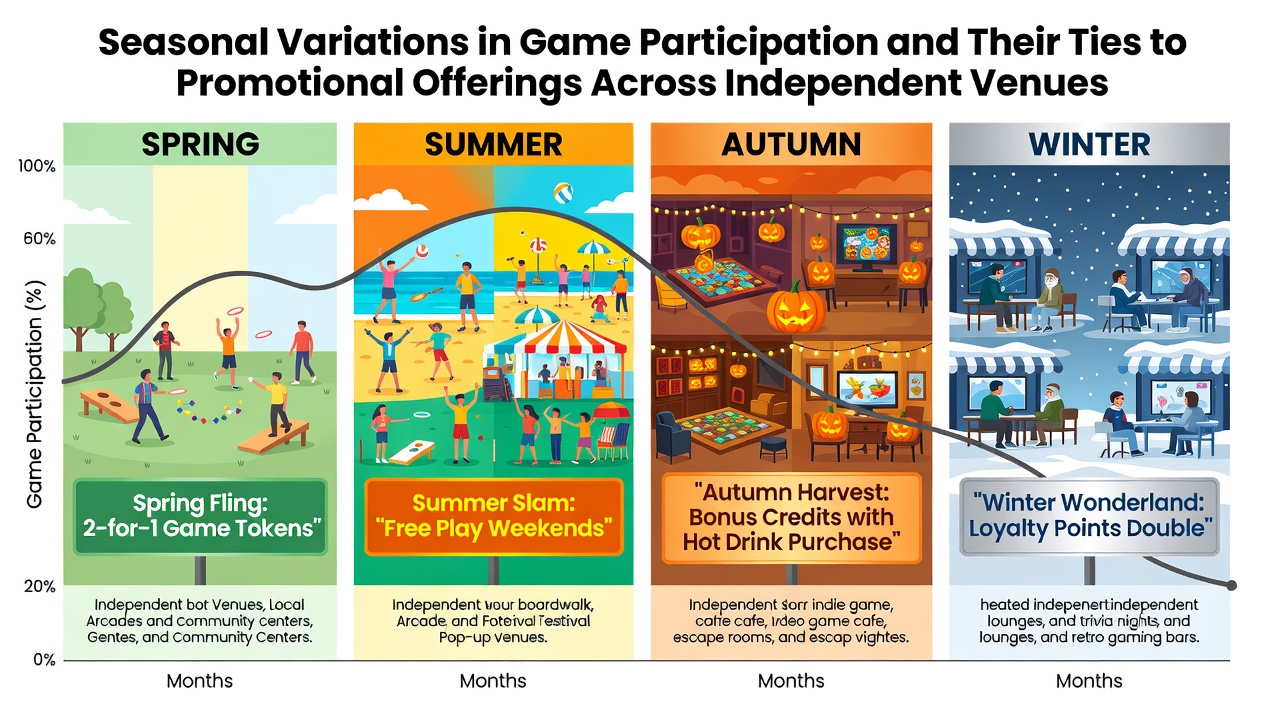
Independent bingo venues across various regions experience measurable shifts in player turnout as seasons change, with data showing consistent correlations between these fluctuations and the timing of targeted promotional activities. Operators at these standalone facilities adjust their marketing calendars to align with weather patterns, holiday periods, and community events, creating incentive structures that respond directly to observed attendance trends.
Winter months often bring increased participation in northern climates, where colder temperatures encourage indoor activities, while summer periods see declines unless countered by specific outdoor-themed or travel-related offers. Research from multiple venue networks indicates that promotions such as bundled ticket packages or themed game nights achieve higher redemption rates when introduced during predictable low-attendance windows, helping stabilize revenue streams throughout the year.
Winter Participation and Holiday-Linked Incentives
Colder months typically see higher foot traffic at independent sites in areas with harsh weather, as people seek warm, social environments for evening entertainment. Venues in the Midwest and Northeast report upticks in regular sessions between November and February, with operators responding by launching promotions tied to winter holidays and end-of-year gatherings. These include multi-session passes and prize pools augmented by local business partnerships, which data shows extend player stays and encourage repeat visits during otherwise routine weeks.
Those who track weekly numbers note that December promotions centered around family-friendly formats produce measurable gains in group bookings, whereas January campaigns focusing on resolution-themed games help retain participants after holiday slowdowns subside. Independent operators, lacking the centralized resources of larger chains, rely on granular local data to time these offers effectively, resulting in more agile responses to short-term dips.
Spring and Fall Transitions with Community-Focused Offers
Shoulder seasons present unique challenges for standalone locations, where moderate weather can draw people toward outdoor alternatives and reduce indoor gaming interest. Spring promotions often emphasize renewal themes with refreshed jackpot structures, while fall campaigns incorporate harvest events and school-year scheduling adjustments to capture families returning to routines. Observers at these venues report that cross-promotions with nearby markets or festivals create additional draw without requiring extensive marketing budgets.
Figures from regional associations reveal that spring ticket discounts tied to outdoor event tie-ins maintain steady participation levels, whereas fall loyalty programs reward consistent attendees with bonus entries. These strategies help bridge gaps between peak winter crowds and summer lulls, allowing independent operators to maintain operational consistency across variable monthly totals.
Summer Adjustments and June 2026 Campaign Examples
Summer brings the most pronounced drops in attendance at many independent bingo sites, particularly in regions experiencing extended daylight and vacation periods. Operators counter these trends through targeted summer promotions such as early-bird sessions, outdoor seating options where permitted, and collaborations with local tourism boards. In June 2026 several standalone venues in southern and western states introduced progressive jackpot rollovers combined with travel voucher giveaways, aligning incentives with peak vacation planning cycles.
Data collected from these facilities shows that such timed offers reduce the typical seasonal decline by encouraging both local regulars and visitors to participate. Independent venues benefit from flexibility in customizing these programs, often incorporating regional themes like county fair tie-ins or beach-day specials that resonate more directly with their specific customer bases than standardized chain-wide initiatives.
Regional Data Patterns and Promotional Effectiveness
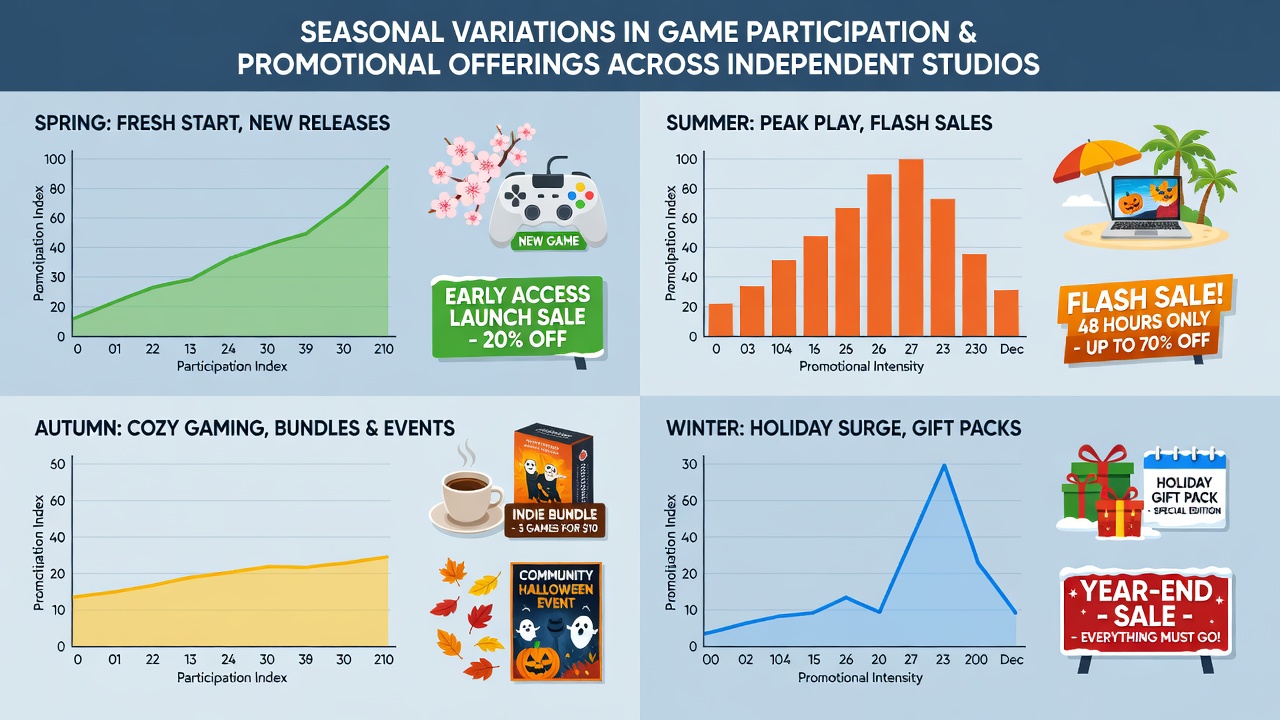
Comparative analysis across independent networks demonstrates that venues incorporating seasonal data into their promotional planning achieve more stable year-over-year participation metrics. American Gaming Association reports highlight how smaller operators use localized weather and event calendars to optimize offer timing, resulting in higher engagement rates than generic approaches. Similar patterns appear in Canadian markets, where Statistics Canada gaming participation surveys indicate winter peaks offset by summer incentive programs at non-chain locations.
Promotions that bundle multiple sessions or incorporate community prizes tend to perform best during transition months, when attendance volatility is highest. Independent operators frequently adjust prize structures based on prior-year data, creating feedback loops that refine future seasonal strategies without relying on corporate oversight.
Conclusion
Seasonal variations in participation at independent bingo venues reflect clear environmental and social factors that operators address through carefully timed promotional offerings. Evidence from multiple regions shows these standalone facilities maintain competitive positioning by aligning incentives with predictable attendance cycles, including targeted campaigns around periods like June 2026. This approach allows for responsive programming that supports consistent operations across changing conditions throughout the year.