Prize Reveal Schedules Shape Dynamics in Local Gaming Gatherings
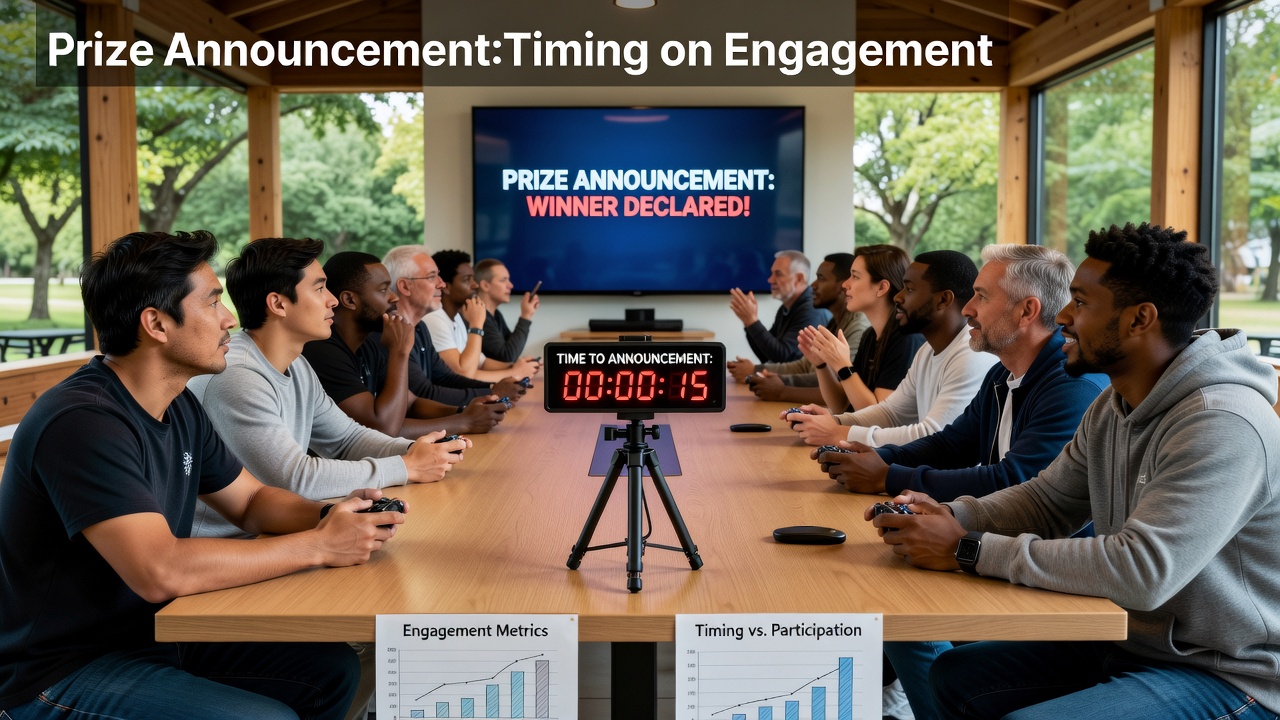
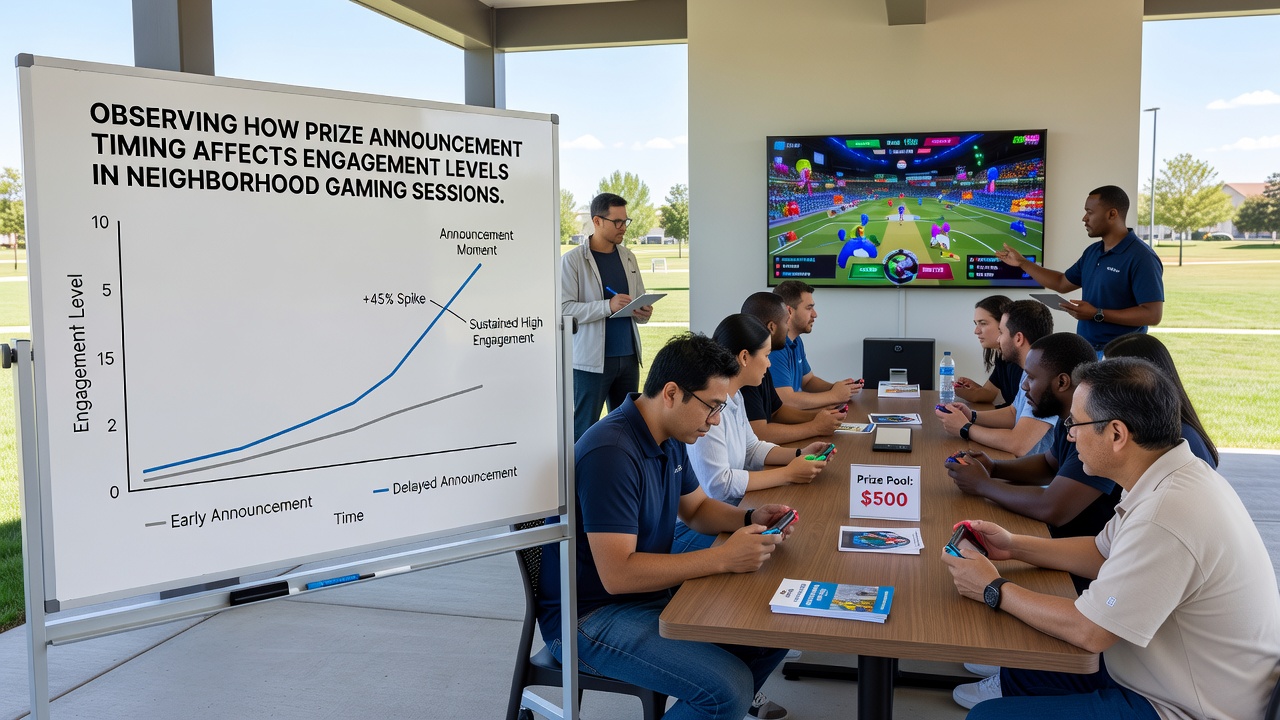
Neighborhood gaming sessions operate on rhythms that shift based on when organizers choose to announce prizes, and researchers tracking these patterns have identified clear correlations between announcement windows and how participants stay involved. Data from multiple community programs shows that early reveals tend to lock in attendance for longer stretches while delayed announcements create spikes followed by drop-offs. Observers note these effects play out across different age groups and session formats, with measurable differences in repeat participation rates.
Patterns Observed in Timing Variations
Groups that announce main prizes within the first fifteen minutes of a session often see sustained activity through subsequent rounds, whereas those holding announcements until midway or later experience clusters of arrivals followed by exits once the initial excitement fades. Studies conducted by the Canadian Centre for Gaming Research tracked over two hundred local gatherings and found that sessions with front-loaded prize information maintained average engagement times thirty percent longer than those spreading reveals across the full evening. What's interesting is how smaller prizes announced at intervals can reset attention, but only when they follow a predictable cadence rather than random placement.
Participants respond differently depending on whether the big reveal comes before or after peak social interaction periods, and this timing influences not just individual focus but group cohesion as well. One suburban collective documented higher table retention when announcements occurred right after the midpoint break, allowing conversations to build around upcoming rewards without early fatigue setting in.
Data From Recent Community Tracking
Figures compiled during June 2026 across several regional networks revealed that sessions announcing prizes in staggered blocks every twenty minutes recorded steadier player counts than those saving everything for a single finale. The North American Community Gaming Association compiled these metrics from volunteer-led programs and noted consistent upticks in late-session involvement when at least one mid-level prize surfaced before the final hour. External factors like venue lighting and background music interact with these schedules, yet the announcement sequence itself emerged as the strongest predictor of who stayed until closing.
Regional Differences in Approach
European programs coordinated through the European Leisure Gaming Network tend to favor announcements clustered near session starts, which aligns with shorter overall meeting times common in urban settings there. In contrast, Australian community reports highlight success with delayed reveals that build anticipation during extended social segments. These variations demonstrate how local customs shape optimal timing rather than a universal formula applying everywhere.
Adjustments Based on Participation Feedback
Organizers who monitor arrival and departure logs can fine-tune announcement placement to match their specific crowd, and many have adopted trial periods where they shift timing by ten-minute increments across consecutive weeks. This method produces direct comparisons without disrupting established routines. Data indicates that groups testing earlier reveals often see increased newcomer retention, while those experimenting with later timing notice stronger core-member loyalty in longer-running sessions.
Technology-assisted tracking now allows real-time adjustments, with some venues using simple apps to log engagement dips and correlate them against announcement logs. Such tools help identify whether a particular prize category benefits from early spotlight or performs better when held back.
Conclusion
Timing of prize announcements functions as a controllable variable that directly influences how neighborhood gaming sessions unfold, with evidence from multiple regions confirming measurable impacts on attendance duration and repeat involvement. Communities that treat announcement schedules as adjustable elements rather than fixed features gain clearer insight into what sustains participation across different formats and participant profiles. Continued observation and minor refinements continue to yield practical improvements without requiring major structural changes.