Pacific Northwest Community Centers Direct Bingo Proceeds Toward Artist Grants and Heritage Preservation
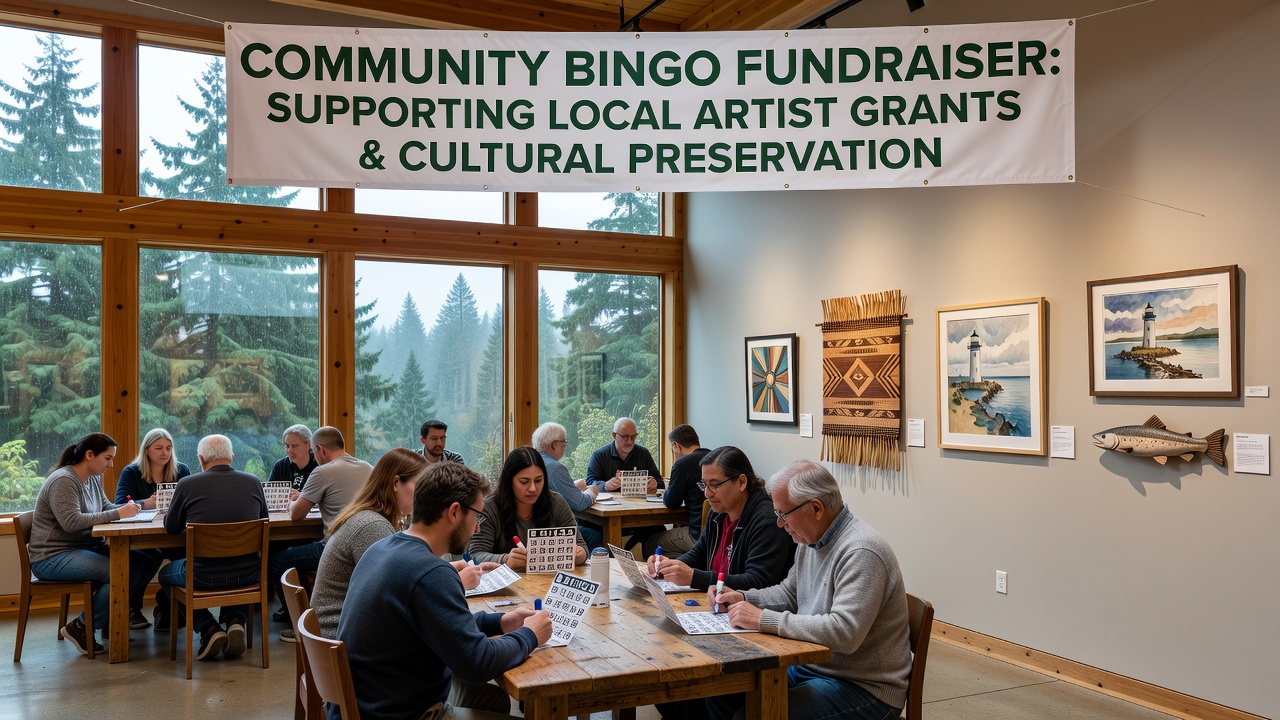
Community centers across towns in Washington, Oregon, and British Columbia have channeled bingo fundraisers into artist grant programs and cultural preservation projects for several years, creating measurable support for local creators and heritage initiatives. These efforts rely on regular events that draw residents together while generating revenue for targeted allocations, with data from regional arts organizations showing consistent distribution patterns through 2026.
Observers note that bingo sessions typically occur on weekday evenings and weekend afternoons, producing proceeds that cover operational costs before the remainder flows into grant pools. In many cases, centers allocate 40 to 60 percent of net funds to artist support and preservation work, according to summaries released by the Washington State Arts Commission.
Bingo Events as Revenue Sources for Regional Programs
Smaller towns such as Bellingham, Bend, and Nanaimo host weekly bingo nights that attract 80 to 150 participants each session, with entry fees and concession sales forming the primary income streams. Centers coordinate these events through volunteer committees that handle licensing, equipment, and prize distribution, ensuring compliance with state and provincial gaming rules. Revenue tracking from the Oregon Cultural Trust indicates that bingo-related contributions to arts programs in rural counties rose steadily between 2023 and 2025, providing baseline funding for new grant cycles.
July 2026 schedules at several centers include expanded mid-month sessions timed around local festivals, allowing organizers to combine bingo proceeds with matching donations from area businesses. This approach has produced additional funds directed toward preservation projects that document indigenous languages and restore historic structures in coastal communities.
Artist Grant Distribution Mechanisms
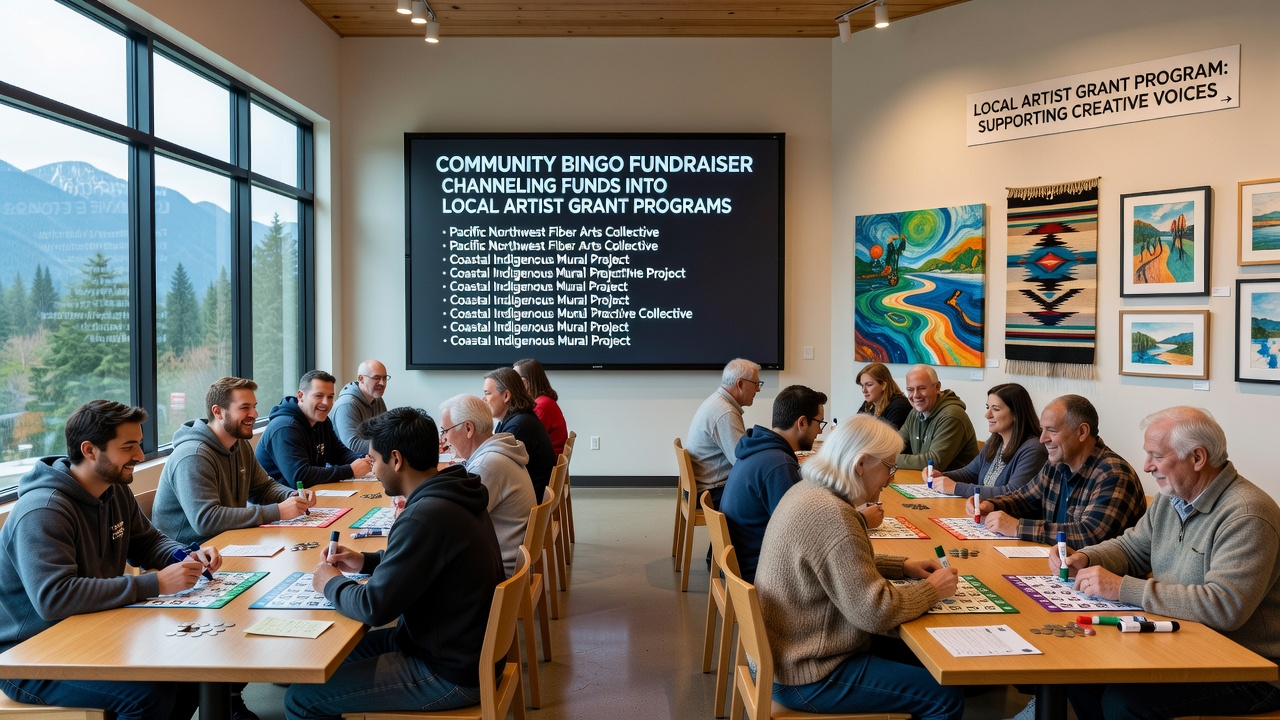
Grant programs supported by bingo revenue operate through application cycles administered by community center boards in partnership with local arts councils. Applicants submit project proposals focused on visual arts, music, or performance, with review panels awarding amounts ranging from 500 to 5,000 dollars per recipient. Records from the British Columbia Arts Council show that centers in the Fraser Valley region awarded 28 grants in the first half of 2026, supporting exhibitions and workshops that reached over 4,000 attendees.
One program in Skagit County, Washington, used bingo funds to establish a rotating residency for emerging painters, providing studio space and materials purchased through accumulated proceeds. Distribution reports list specific allocations for equipment, marketing, and exhibition fees, with public summaries available through county websites.
Cultural Preservation Projects Funded Through the Same Channels
Preservation initiatives receive parallel support, with bingo revenue covering costs for oral history recordings, artifact cataloging, and restoration of community buildings. In Lincoln County, Oregon, a 2025 project restored a historic cannery building using proceeds from six months of bingo events, while a concurrent grant enabled recording sessions with tribal elders that produced 40 hours of audio archives. The National Endowment for the Arts has referenced similar regional models in its annual reports on community-based funding, noting their role in sustaining intangible cultural heritage.
Centers in these areas maintain transparent ledgers that separate bingo income from other sources, allowing residents to track how specific events contribute to individual projects. Data compiled by the Pacific Northwest Arts Alliance indicates that combined artist and preservation grants from bingo sources totaled 312,000 dollars across 14 towns in 2025, with preliminary figures for 2026 showing comparable totals through the first two quarters.
Examples from Specific Towns and Ongoing Cycles
Port Townsend, Washington, runs monthly bingo events at its main community hall, directing a fixed percentage of proceeds to a native plant restoration project at a nearby historic site. Volunteers document plant species and host educational workshops funded directly by these allocations. In Corvallis, Oregon, the same mechanism supports a youth mural program that pairs local high school students with professional artists for public installations completed each summer.
July 2026 calendars list additional bingo nights in both locations timed with heritage festivals, expected to increase available funds for the next grant round. Centers publish outcome reports that list completed projects, participant numbers, and remaining balances, creating a record that other towns can reference when starting similar programs.
Conclusion
Community centers in Pacific Northwest towns continue to integrate bingo fundraisers with artist grant programs and cultural preservation work through established allocation processes and public reporting. Figures from state and provincial arts bodies confirm ongoing activity into 2026, with revenue streams supporting measurable outputs in exhibitions, restorations, and archival efforts across multiple communities.