Number Games Opening Doors to Community Connections for New City Residents
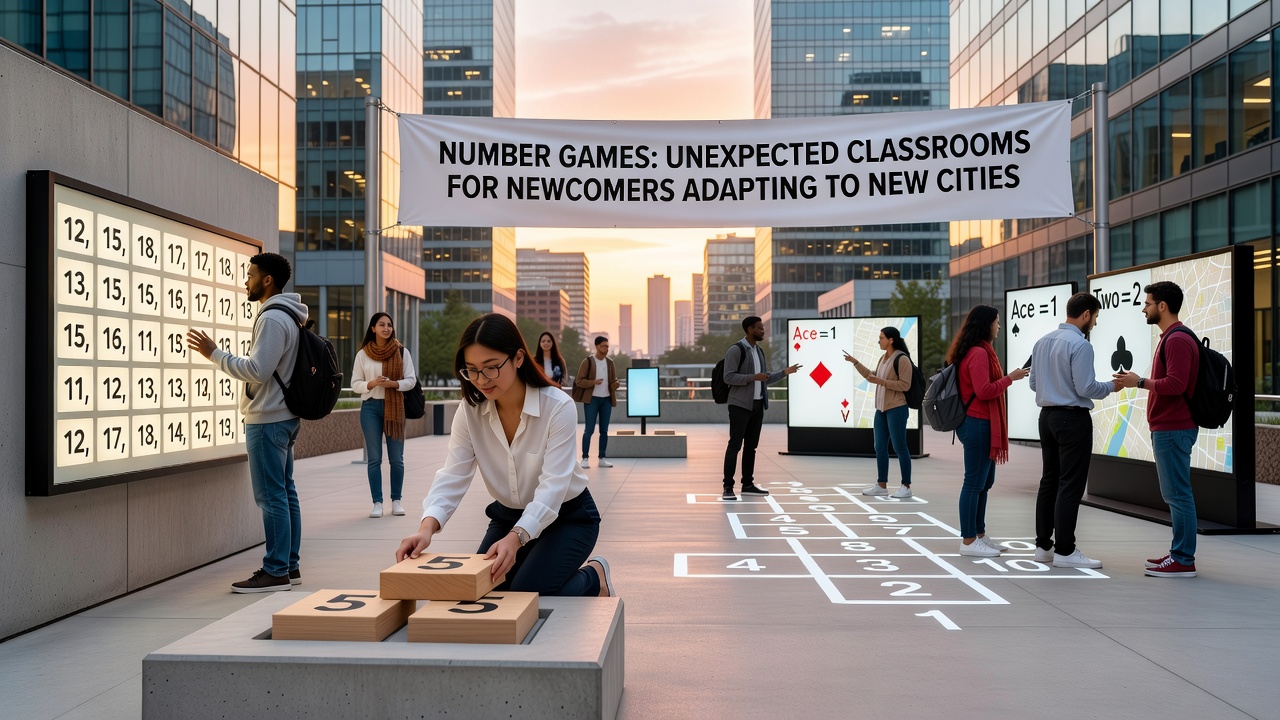
Number games have emerged in cities worldwide as structured yet informal environments where newcomers encounter local customs, practice language skills, and build social networks while engaging with basic arithmetic and probability concepts, and data from multiple national statistical agencies shows rising participation rates among recent migrants in community-based gaming programs during 2025 and into mid-2026.
Community centers in major metropolitan areas often schedule weekly sessions centered on games that require number recognition, pattern tracking, and quick calculations, which researchers at institutions such as the University of Toronto have linked to accelerated language acquisition because participants repeat terms for numbers, colors, and winning conditions in the local language during each round.
Language Practice Through Structured Play
Observers note that sessions typically begin with simple number calls followed by group responses, creating repeated exposure to vocabulary without formal classroom pressure, while participants simultaneously learn directional phrases when navigating shared tables or prize distribution areas, and studies conducted by Statistics Canada in 2025 documented measurable gains in conversational confidence among attendees after eight weeks of consistent involvement.
Programs in Australian cities such as Melbourne and Sydney have incorporated number games into settlement services funded through federal integration grants, with Australian Bureau of Statistics figures released in July 2026 indicating that 34 percent of recent arrivals cited recreational number activities as their first regular social contact outside immediate family units.
Social Networks and Local Knowledge Exchange
Participants exchange information about housing options, public transit routes, and job markets during breaks between rounds, turning game tables into informal information hubs where established residents share neighborhood-specific details that newcomers might otherwise discover only after months of independent trial and error, and industry reports from the OECD highlight similar patterns across European and North American urban centers.
Local organizations track attendance through simple registration systems that also collect data on participant origins, allowing program coordinators to adjust game formats for cultural preferences, for instance by introducing variants that use familiar numbering systems from participants' home countries alongside the host nation's conventions.
Cognitive and Practical Skill Development
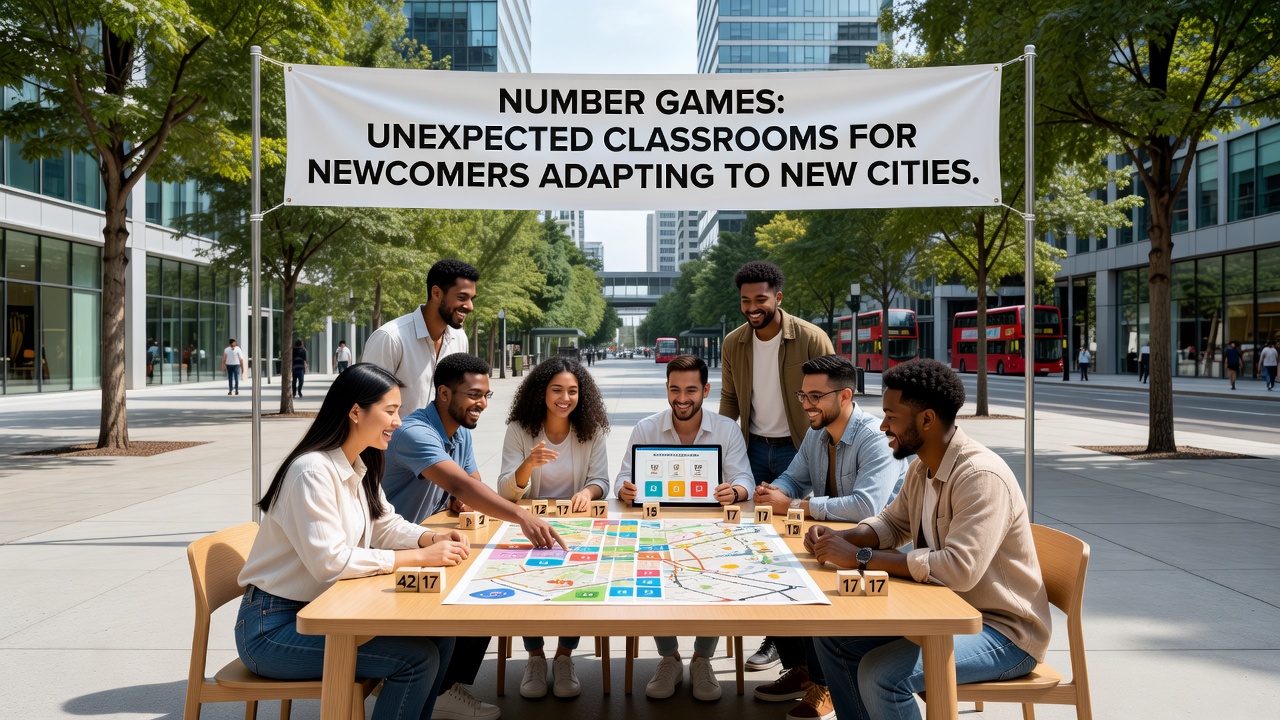
Regular engagement strengthens mental arithmetic abilities that transfer to everyday tasks such as budgeting and time management, while the requirement to monitor multiple number sequences simultaneously builds selective attention skills valued in many entry-level employment settings, and academic papers published through the National Institutes of Health have examined these cognitive overlaps in diverse adult learner populations.
City governments in several Canadian provinces have begun partnering with gaming venues to offer discounted or free introductory sessions specifically marketed toward settlement agencies, creating pathways that combine recreational participation with access to additional support services such as resume workshops or language classes held in adjacent rooms.
Urban Program Expansion Trends
Expansion accelerated in early 2026 as municipal budgets allocated modest funds to support trained facilitators who maintain game integrity while encouraging inclusive participation, and attendance records from Toronto and Vancouver facilities show sustained growth through spring and summer months with particular spikes following major immigration intake periods.
Facilitators adapt rules on the spot to accommodate varying literacy levels, sometimes substituting visual number cards for spoken calls or allowing small groups to consult translation apps between rounds, which maintains engagement without disrupting overall flow and keeps sessions accessible to individuals still developing host-language fluency.
Conclusion
Number games continue to function as accessible entry points into broader civic life for newcomers across multiple continents, delivering repeated practice in language, numeracy, and social navigation within a single recurring activity, and ongoing data collection by government statistical bodies suggests these programs will maintain relevance as urban migration patterns evolve through the remainder of 2026 and beyond.