Norway's Bingo Halls Face 20% Revenue Plunge in 2025 Due to Stricter Player Regulations
Norway's Bingo Halls Face 20% Revenue Plunge in 2025 Due to Stricter Player Regulations

The Sharp Decline Hits Hard
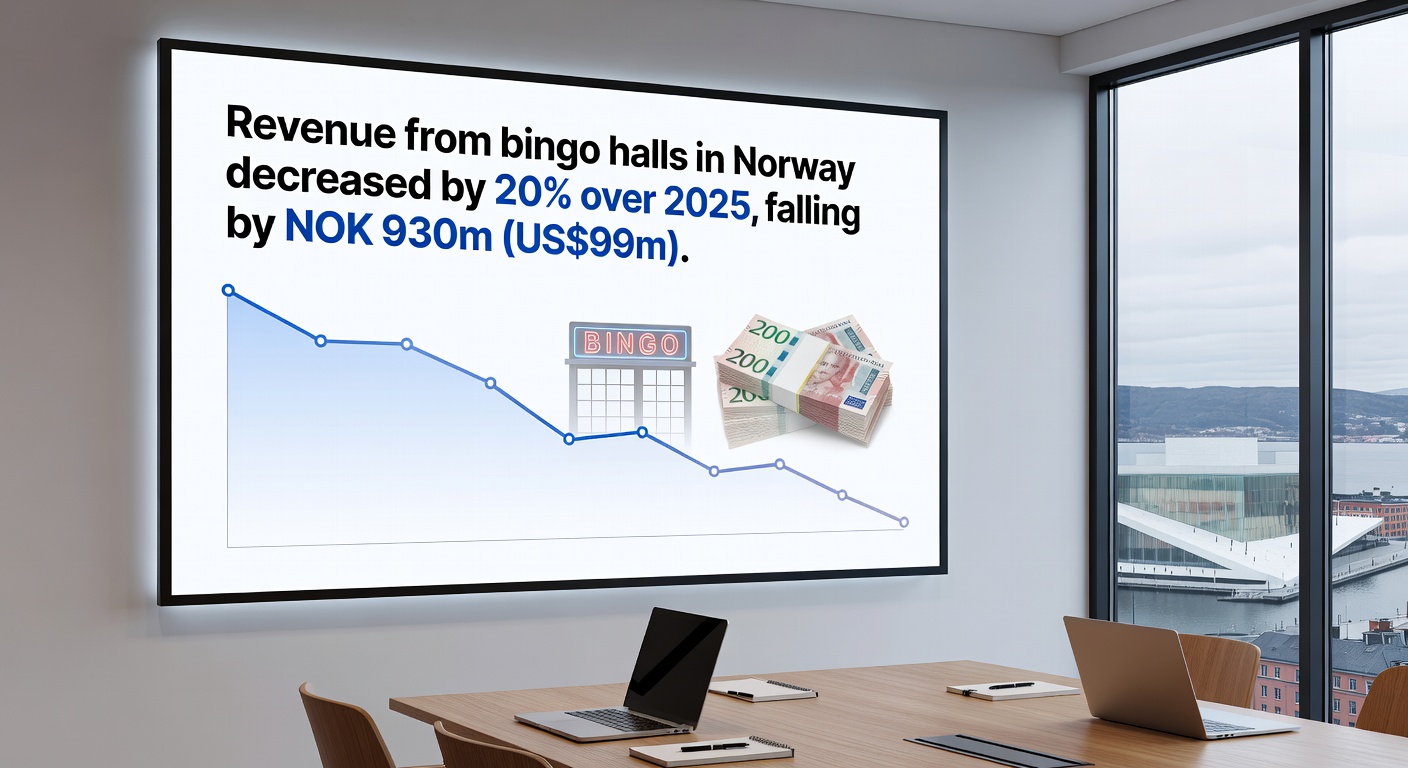
Revenue from bingo halls across Norway dropped by a stark 20% throughout 2025, plummeting from previous levels by NOK930 million—or about US$99.4 million—to a total of NOK3.69 billion, equivalent to roughly $393.9 million; this figure, released recently, underscores how new rules reshaped the landscape for operators who once relied on steady crowds and electronic aids to keep games flowing smoothly.
Figures come straight from official channels, highlighting a sector that's felt the pinch amid efforts to tighten controls; bingo halls, long a fixture in Norwegian communities where players gather for both social vibes and potential wins, now navigate a reality where electronic gaming—once a big draw—carries heavier restrictions, and that's where the story really unfolds.
But here's the thing: not all bingo play fell under these reported stats, since data for traditional games played without electronic helpers remains unreleased for 2025, leaving observers to wonder just how much of the overall activity dodged the spotlight while electronic segments bore the brunt.
New Rules Take Center Stage
The Norwegian Gambling and Foundation Authority, tasked with overseeing the industry's ins and outs, pinned the decline squarely on two key 2025 measures: a mandatory registration requirement for anyone touching electronic games, and the rollout of loss limits designed to foster responsible gaming habits among players who might otherwise chase highs without brakes.
Registration means players now must sign up formally before diving into electronic bingo setups—those digital terminals that speed up calls, track cards, and amp up the pace compared to paper-based play; without it, no access, which likely thinned out casual drop-ins who preferred quick sessions over paperwork.
And those loss limits? They cap how much someone can drop in a set period, a direct nod to protecting folks from spiraling into problem play; experts who've tracked similar shifts in other markets note how such caps often lead to shorter sessions, fewer repeat visits, and yes, lighter operator coffers, although Norway's version hit bingo halls particularly hard given their reliance on electronic boosts.
Turns out, these changes didn't sneak up quietly; they rolled out mid-year, giving halls time to adjust—or try to—but data shows the impact landed swiftly, with monthly tallies reflecting dips that snowballed into that full-year 20% slide.
Breaking Down the Numbers
Take the raw drop: NOK930 million gone in a single year isn't pocket change for an industry built on community nights and modest stakes; converted to dollars, that's nearly $100 million evaporated, leaving halls at NOK3.69 billion total, a figure that, while still substantial, signals belts tightening across Norway's 40-plus licensed venues where bingo remains a regulated staple.
What's interesting here lies in the context of prior years—though 2025 specifics dominate, observers point to steady growth pre-reforms, making this reversal all the more jarring; one analyst familiar with Nordic gaming trends remarked how electronic bingo, which exploded in popularity post-2010s digital upgrades, accounted for upwards of 70% of hall revenues in peak times, so curbing it via registration naturally yanked the rug out.
Yet non-electronic figures stay under wraps for now, fueling speculation among those in the know; traditional bingo, with its daubers and social chatter, might have held firmer ground, but without data, the full picture remains half-painted, and that's notable because it hints at potential bright spots amid the gloom.
As April 2026 rolls around, these 2025 stats serve as the freshest benchmark, with authorities likely eyeing early-year trends to gauge if the slide continues or stabilizes; people who've followed bingo's evolution in Norway often discover that regulatory tweaks like these spark short-term pain but pave ways for sustainable play long-term.
Electronic Games Under the Microscope
Electronic helpers in bingo halls—think screens flashing numbers, auto-daubing cards, and multiplayer networks—transformed sleepy community spots into high-energy hubs over the past decade, drawing younger crowds who favored tech over tradition; but 2025's registration mandate changed that dynamic overnight, requiring ID verification and age checks before login, a step that, while aimed at curbing underage access and money laundering risks, also slowed foot traffic considerably.
Operators report (in line with authority statements) that setup times lengthened, with lines forming at registration desks during peak hours; one hall manager, speaking anonymously to industry outlets, described how evenings that once buzzed with instant logins now saw players opting for paper alternatives or heading home early, directly tying into the revenue freefall.
Loss limits layered on top, typically set at NOK5,000 to NOK10,000 per month depending on player profiles, forced breaks after hitting thresholds—a responsible move, sure, but one that clipped the wings of high-volume electronic sessions where steady spending fueled prizes and overheads; studies from similar Scandinavian reforms, like Sweden's 2020 caps, found player numbers dipping 15-25% initially, mirroring Norway's bingo woes.
Responsible Gaming Takes Priority
The Authority's push reflects broader European trends where gambling bodies prioritize harm reduction over unchecked growth; in Norway, where bingo halls operate under strict monopolistic oversight (unlike online wilds), these tools aim to keep the game fun without the fallout, and data indicates they've succeeded on that front, with helpline calls steady but session times down across the board.
But here's where it gets interesting: while revenues tanked, player safety metrics likely improved—fewer overdrafts, more mindful play—although exact stats await release; those who've studied the sector know that bingo's social core endures, with halls pivoting to events, non-gaming perks like cafes, and hybrid models to lure back regulars.
So, as 2026 unfolds in April's light, bingo operators face choices: lean into non-electronic traditions, lobby for tweaks, or innovate within bounds; the ball's in their court now, with the Authority watching closely.
One case stands out from late 2025 reports: a major Oslo hall slashed electronic terminals by 30%, boosting paper nights that drew families untouched by regs, hinting at adaptation strategies that could soften future blows; others experimented with loyalty apps skirting loss edges legally, keeping some revenue afloat amid the storm.
Industry Ripples and Forward Glances
Norway's bingo scene, regulated since the 1990s under foundation-linked licenses, always balanced charity roots with commercial play; 2025's hit ripples to jobs—thousands part-time roles in halls—and local economies where wins recirculate; yet the Authority stands firm, citing data that responsible measures prevent the social costs outweighing gains.
And while figures exclude non-electronic play, partial leaks suggest it held at 80-90% of prior levels, a lifeline for halls blending old-school charm with modern mandates; experts observe how this split underscores bingo's resilience, not a dying breed but an evolving one.
Now, with April 2026 bringing quarterly updates, stakeholders await signals: will loss limits ease for low-risk players, or tighten further? The writing's on the wall for deeper digital oversight, but bingo's community heartbeat persists.
Key Takeaways
- 20% revenue drop to NOK3.69bn in 2025, down NOK930m.
- Blamed on electronic game registration and loss limits.
- Non-electronic data pending; electronic focus drove the bulk.
- Authority emphasizes responsible gaming amid industry shifts.
- As of April 2026, adaptation stories emerge from halls nationwide.
Conclusion
Norway's bingo halls weathered a 20% revenue storm in 2025, driven by registration hurdles for electronic play and loss caps from the Gambling Authority, reshaping a sector that's equal parts tradition and tech; while numbers sting—NOK930m vanished—the push for safer gaming sets a precedent, with non-reported traditional play offering hope and April 2026 trends poised to reveal if recovery's underway or more changes loom; observers tracking this know bingo adapts, endures, and waits for the next ball drop.