How Bingo's Integration with Local Agriculture Markets Creates Unique Prize Structures in Midwestern Communities
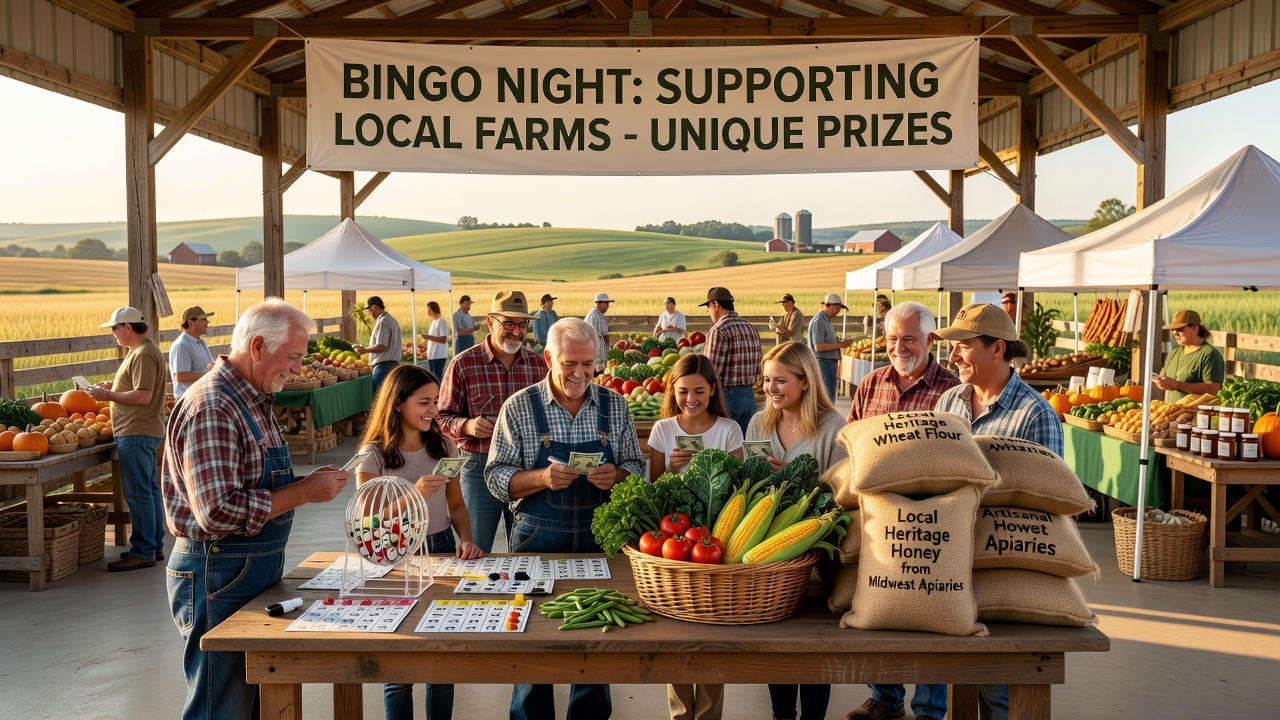 Midwestern bingo operations have developed partnerships with regional agriculture markets that allow halls to offer prizes tied directly to seasonal harvests and farm outputs rather than standard cash awards. These collaborations draw from the strong presence of family farms and weekly markets across states such as Iowa, Illinois, and Minnesota where operators coordinate with growers to source items like heirloom vegetables, honey, and small livestock as game rewards. Data from the USDA shows that direct-to-consumer agricultural sales in the Midwest reached 1.8 billion dollars in 2025 which supports the availability of such goods for community events including bingo nights. Operators structure prize pools around market calendars so that summer sessions feature berry baskets and sweet corn while fall games include pumpkins and apple bushels. This approach aligns bingo schedules with harvest cycles and creates rotating reward systems that participants track through posted market reports. Observers note that halls in rural counties often receive weekly deliveries from partner farms which reduces storage costs and ensures freshness for winners who claim items on site.
Partnership Structures Between Halls and Markets
Local agriculture markets supply bingo venues through formal agreements that specify volume discounts and delivery schedules while halls promote market days to their player bases. In June 2026 several Iowa counties expanded these arrangements when state extension services documented increased foot traffic at both bingo events and Saturday markets. Coordinators exchange inventory lists monthly so prize boards reflect current availability and prevent overcommitment on any single crop.
Venues maintain separate prize ledgers for agricultural items versus traditional payouts which allows tracking of redemption rates and seasonal adjustments. Researchers at Iowa State University have recorded that these ledgers show higher repeat attendance when prizes include value-added products such as homemade jams or smoked meats sourced from the same farms. Markets benefit from the added visibility because bingo programs distribute flyers listing upcoming market dates and vendor spotlights.
Prize Structures Shaped by Agricultural Cycles
Prize tiers now incorporate both raw produce and market services including season passes or vendor credit vouchers. A typical progressive jackpot might combine cash with a certificate for a full market stall rental which winners use to sell their own goods or trade with other farmers. This layered system emerged after halls analyzed participation logs and found that mixed prizes sustained interest across multiple game sessions.
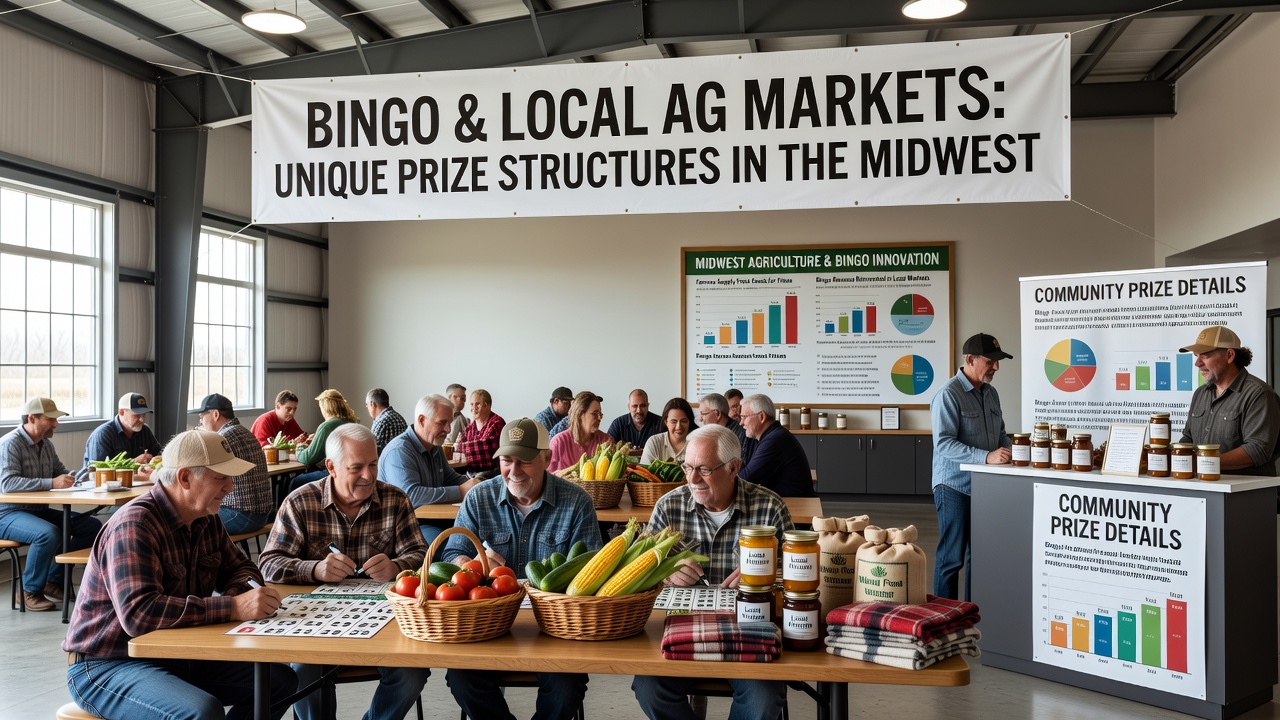
Smaller weekly games award individual items such as dozen eggs or bundles of herbs while larger monthly events bundle several products into gift baskets. Those who track outcomes across venues report that prize variety correlates with attendance spikes during peak harvest months. Agricultural cooperatives supply the goods under contracts that include quality standards and substitution clauses for weather-related shortages.
Community-Level Effects and Data Patterns
County-level records indicate that communities hosting these integrated bingo programs experience measurable upticks in market vendor registrations. Extension offices in Illinois compiled figures showing a 12 percent rise in new farmer participation at markets located near active bingo halls between 2024 and 2026. The same datasets reveal that players often combine bingo winnings with market visits which extends economic activity beyond the hall itself.
Transportation logistics play a documented role because many rural halls arrange shared delivery routes with market cooperatives to keep costs low. Observers have tracked fuel and labor savings that allow operators to allocate more resources toward larger prize volumes. In turn markets gain reliable bulk buyers for surplus crops that might otherwise go unsold.
Operational Adjustments and Record Keeping
Bingo managers update prize boards weekly using data feeds from partner markets which list projected yields and price points. These updates appear on digital displays inside halls and on printed schedules distributed at the door. Software systems originally designed for cash jackpots now include inventory modules that flag when agricultural items approach expiration so they move into earlier games.
Training sessions for callers and floor staff cover basic product handling such as refrigeration requirements for dairy prizes. Venues that adopted these protocols early report fewer complaints about item quality and higher rates of winners returning to claim subsequent prizes. State agriculture departments provide voluntary guidelines on food safety that halls incorporate into their standard procedures.
Conclusion
Integration between bingo operations and local agriculture markets has produced measurable changes in prize composition and community participation patterns across the Midwest. Records from multiple counties show sustained activity at both venues when prizes reflect seasonal farm outputs and when delivery systems remain coordinated. Continued documentation by extension services and market associations will clarify the long-term scale of these arrangements.