How Bingo Prize Systems Reflect Economic Shifts in Farming Districts
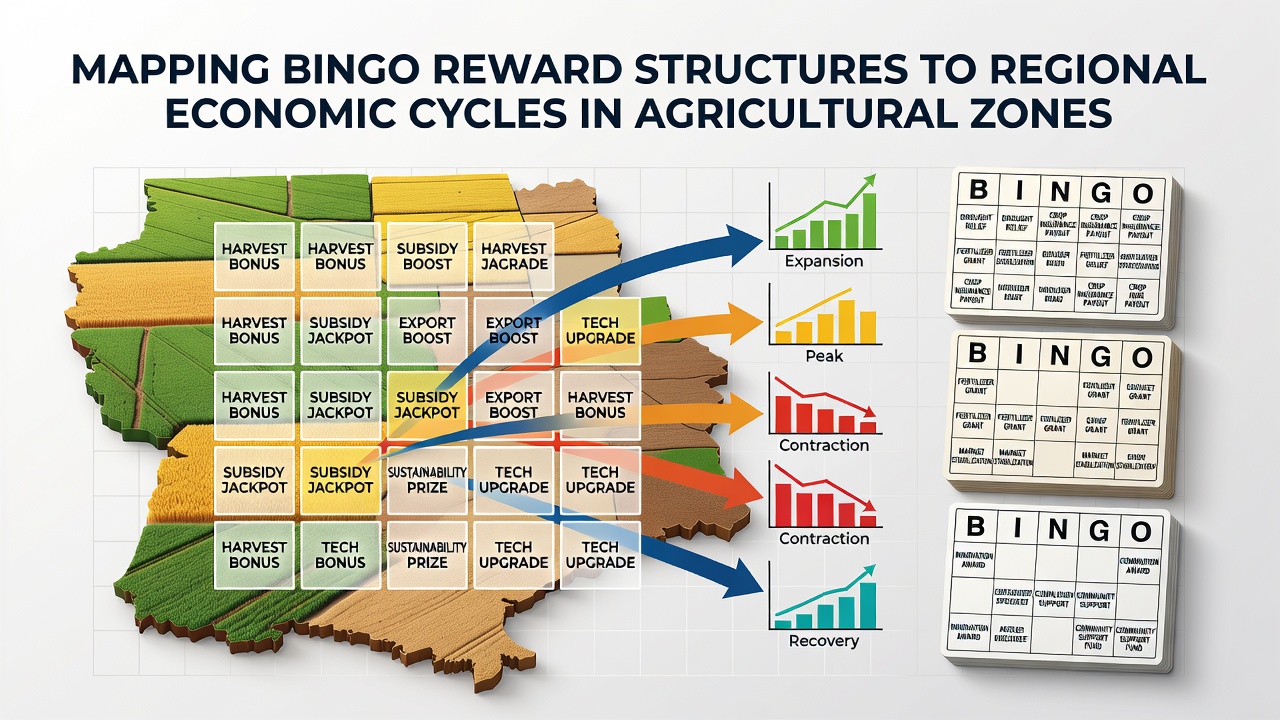
Regional economic cycles in agricultural zones create distinct patterns that influence bingo operations and reward structures across multiple farming communities, and data from government agricultural reports show clear connections between harvest yields, commodity prices, and the size and frequency of bingo payouts. Observers note that when crop prices rise during strong seasons, bingo venues in these areas often adjust prize pools upward to match increased local spending power, whereas periods of drought or market downturns lead to scaled-back rewards that still maintain player engagement through smaller but more frequent wins.
Research from the United States Department of Agriculture indicates that Midwest corn and soybean regions experience revenue fluctuations of up to 35 percent between peak and trough years, and bingo halls in those districts have adapted by tying jackpot tiers directly to quarterly farm income indices. This approach allows operators to expand grand prizes during profitable months while preserving operational stability when grain markets contract, and similar patterns appear in Australian wheat belts where gaming commissions track parallel adjustments in community bingo events.
Seasonal Harvest Patterns and Prize Adjustments
During planting and growth phases, agricultural economies typically operate at lower cash-flow levels, and bingo reward structures in these zones respond with emphasis on entry-level prizes that encourage consistent participation without straining household budgets. Data collected from rural gaming associations reveal that venues in such periods increase the number of consolation awards by roughly 20 percent compared to harvest months, creating a steady rhythm that keeps players involved through leaner intervals. When harvest arrives and incomes surge, those same venues shift focus toward larger cumulative jackpots, often structured around multi-week rollovers that peak alongside grain elevator payments.
One study of Canadian prairie provinces found that bingo events coordinated with canola and wheat cycles produced measurable spikes in average prize values during October and November, aligning precisely with the timing of farm subsidy distributions and export contracts. These adjustments occur because operators monitor regional commodity futures and local bank deposit data, allowing them to scale rewards in real time rather than relying on fixed annual calendars.
Commodity Price Volatility and Reward Scaling
Fluctuations in global commodity markets transmit directly into local bingo economies, and records from state gaming boards in the American heartland demonstrate that a 10 percent rise in soybean futures correlates with a corresponding increase in progressive jackpot contributions within six to eight weeks. Venues achieve this by reallocating a percentage of session revenue into reserve funds during high-price periods, then releasing those reserves as enhanced payouts when economic indicators soften. This mechanism prevents abrupt drops in player interest while maintaining compliance with regional gaming regulations.
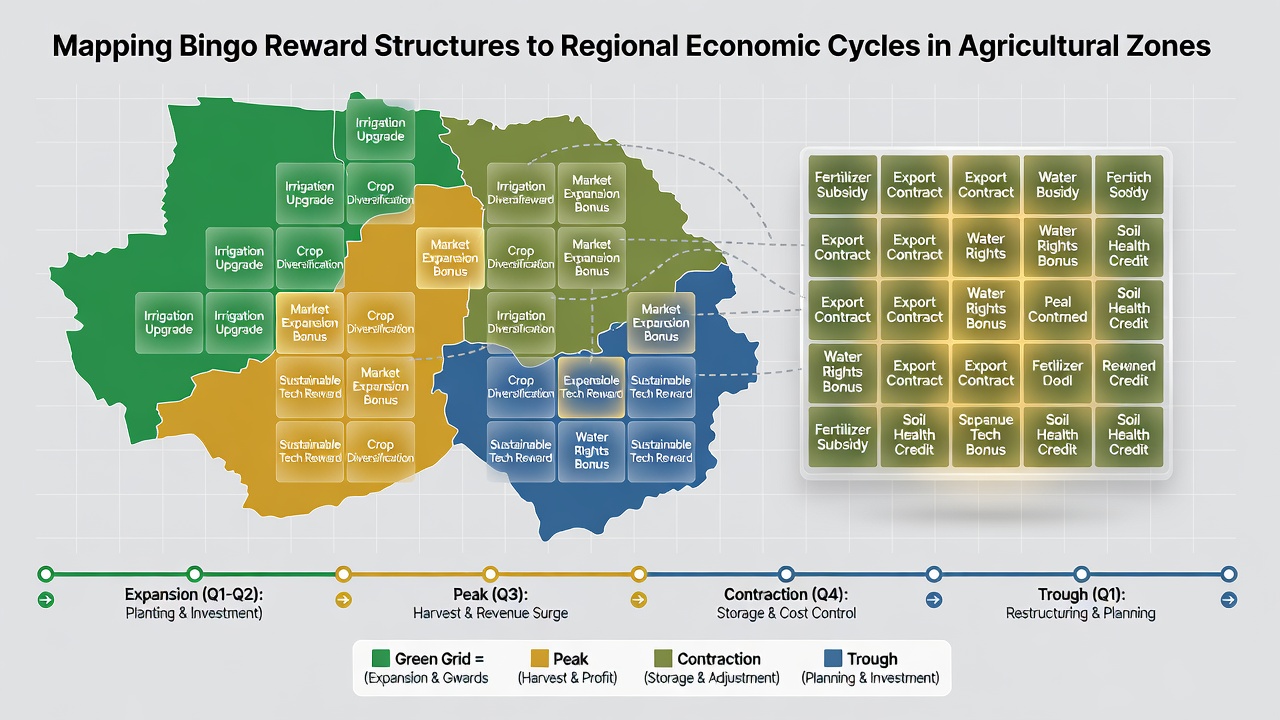
European Union agricultural statistics for 2025 show that dairy and grain regions in France and Germany implemented comparable strategies, with community bingo organizations linking top-tier prizes to milk price indices published by national farming ministries. The result is a reward framework that expands and contracts in tandem with the underlying agricultural economy, reducing the risk of prize structures becoming misaligned with participants' actual financial capacity.
Policy Responses and July 2026 Developments
Regulatory updates scheduled for July 2026 in several agricultural states will require bingo operators to disclose how prize pools respond to documented economic indicators, and early filings indicate that venues are already preparing documentation that maps reward tiers to crop insurance payouts and futures market averages. These requirements aim to increase transparency without restricting operators' ability to match rewards to local conditions, and preliminary data from pilot programs suggest improved player retention when such linkages are made explicit.
Industry reports from the North American Gaming Regulators Association highlight that venues adopting these mapped structures experienced steadier attendance figures across full economic cycles compared with those maintaining static prize schedules. The approach also supports compliance with broader responsible gaming guidelines by avoiding oversized jackpots during periods when household incomes are under pressure.
Conclusion
Mapping bingo reward structures to regional economic cycles in agricultural zones produces a responsive system that tracks farm income data, commodity prices, and seasonal cash flows through documented adjustments rather than fixed assumptions. Government statistics and regulatory filings confirm that operators in multiple countries have implemented these linkages to maintain engagement while respecting the financial realities of their player bases, and forthcoming policy changes in July 2026 will formalize reporting standards around these practices. The result is a framework where prize scaling follows measurable economic signals instead of operating independently from the surrounding agricultural environment.