Hierarchy in Play: Linking Competitive Standings to Tailored Calendar Events and Rewards
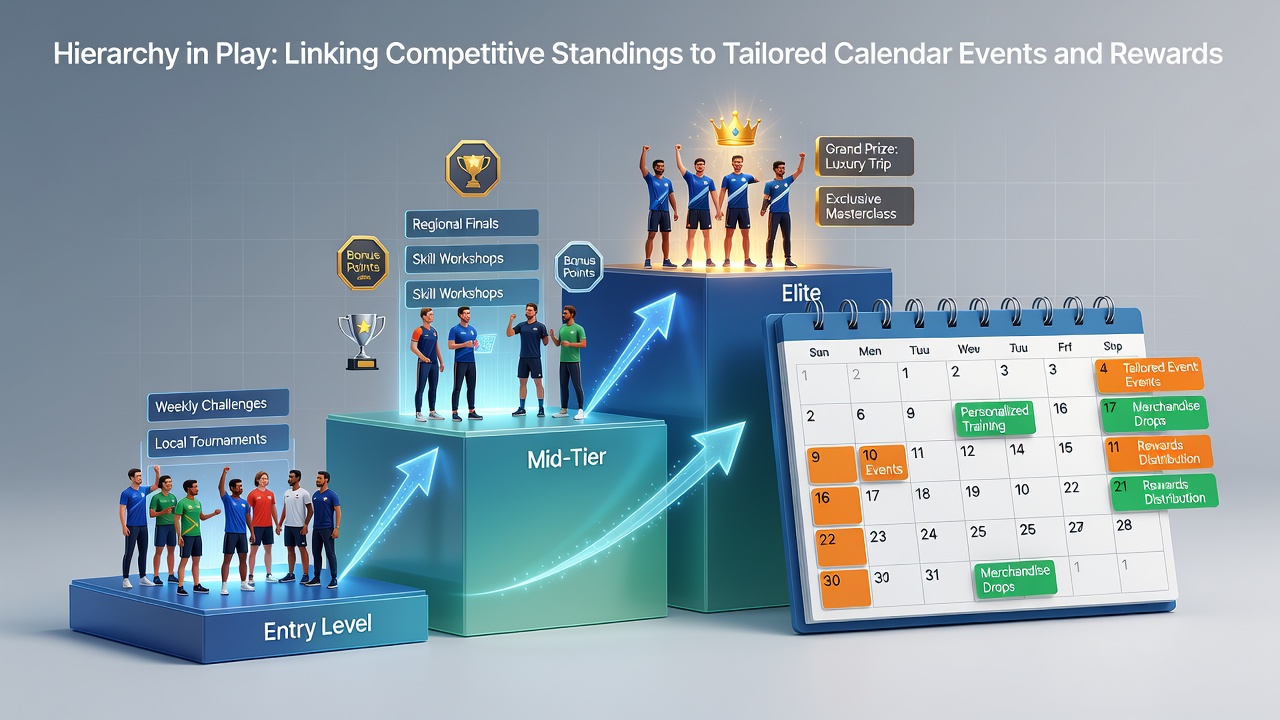
Competitive standings form the backbone of organized play across sports, esports, and structured gaming environments, where rankings directly determine access to specialized events and customized reward structures. Observers note that platforms and leagues track performance metrics through points systems, win rates, and placement data, then adjust calendars to feature targeted competitions for different tiers of participants. This linkage creates pathways where higher-ranked competitors receive invitations to premium tournaments while lower divisions access developmental series that build skills over time.
Mechanics of Standings and Event Alignment
Leagues maintain transparent leaderboards that update after each match or session, feeding into algorithms that schedule events based on current hierarchy positions. Researchers at institutions like those affiliated with the International Olympic Committee have documented how these systems operate in traditional athletics, where national rankings influence qualification calendars for regional and international meets. In parallel, esports organizations apply similar models, grouping players into brackets that align with seasonal calendars featuring qualifiers, main events, and championship series. Data from multiple seasons shows that such alignments reduce scheduling conflicts and increase participation rates across divisions.
Calendar tailoring extends beyond dates to include format variations, such as shorter matches for entry-level groups or extended formats for elite competitors. Those who monitor these patterns find that event organizers review standings quarterly, then release updated schedules that reserve high-stakes slots for top performers while allocating practice and exhibition opportunities to emerging players. This approach maintains engagement because participants see clear progression routes tied to measurable results.
Reward Structures Tied to Competitive Tiers
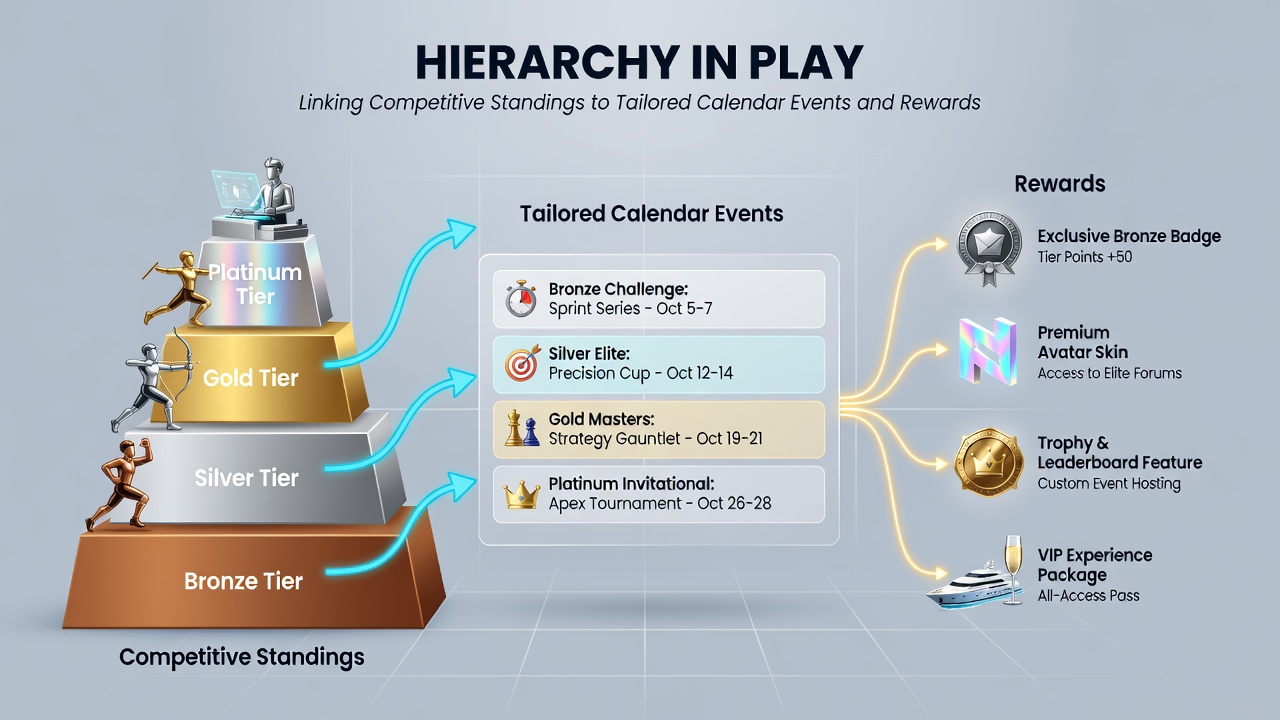
Rewards scale with standing levels, ranging from cash prizes and equipment sponsorships at the upper echelons to recognition badges, entry fee waivers, and skill-building resources at lower tiers. Evidence from industry reports indicates that reward differentiation motivates sustained participation, as players advance through hierarchies and unlock progressively valuable incentives. Organizations release these structures alongside calendar announcements, ensuring participants understand both the events they qualify for and the associated benefits.
July 2026 marks a period when several major leagues finalize mid-year adjustments, incorporating fresh standings data into summer event lineups and reward distributions. Figures from tracking services reveal spikes in registration for tier-specific events during this window, as updated hierarchies unlock new opportunities for advancement and prize eligibility.
Regional Variations in Implementation
North American leagues often emphasize points-based systems that feed directly into playoff calendars, whereas European circuits incorporate regional qualifiers that feed national standings. Australian regulatory bodies overseeing competitive gaming have published guidelines on transparent reward allocation, requiring organizers to publish criteria that link performance data to event access. These regional differences produce varied but consistent outcomes: participants in each system receive calendars and rewards calibrated to their current position in the hierarchy.
Case examples include multi-stage tournaments where preliminary standings determine which bracket a team enters, thereby shaping both the event schedule and prize pool size. One study from a Canadian research group tracked participation across three seasons and found measurable increases in retention when rewards aligned closely with standings progression.
Data Integration and Future Adjustments
Analytics platforms aggregate standings information with participation metrics to refine future calendars, predicting demand for specific event types at each competitive level. Organizations review historical data before releasing new schedules, ensuring that reward offerings remain proportionate to the effort required at each tier. This continuous feedback loop supports stable hierarchies while allowing mobility for performers who improve their positions.
Conclusion
Hierarchies in competitive play establish direct connections between standings, event calendars, and reward systems that operate across multiple regions and formats. Performance data drives scheduling decisions and prize allocations, producing structured pathways that accommodate participants at every level. As leagues continue releasing updated calendars through 2026, the integration of these elements sustains organized competition and supports measurable advancement for those who track their progress within the system.