Digital Innovations Driving Lower Emissions Across Unified Bingo Operations
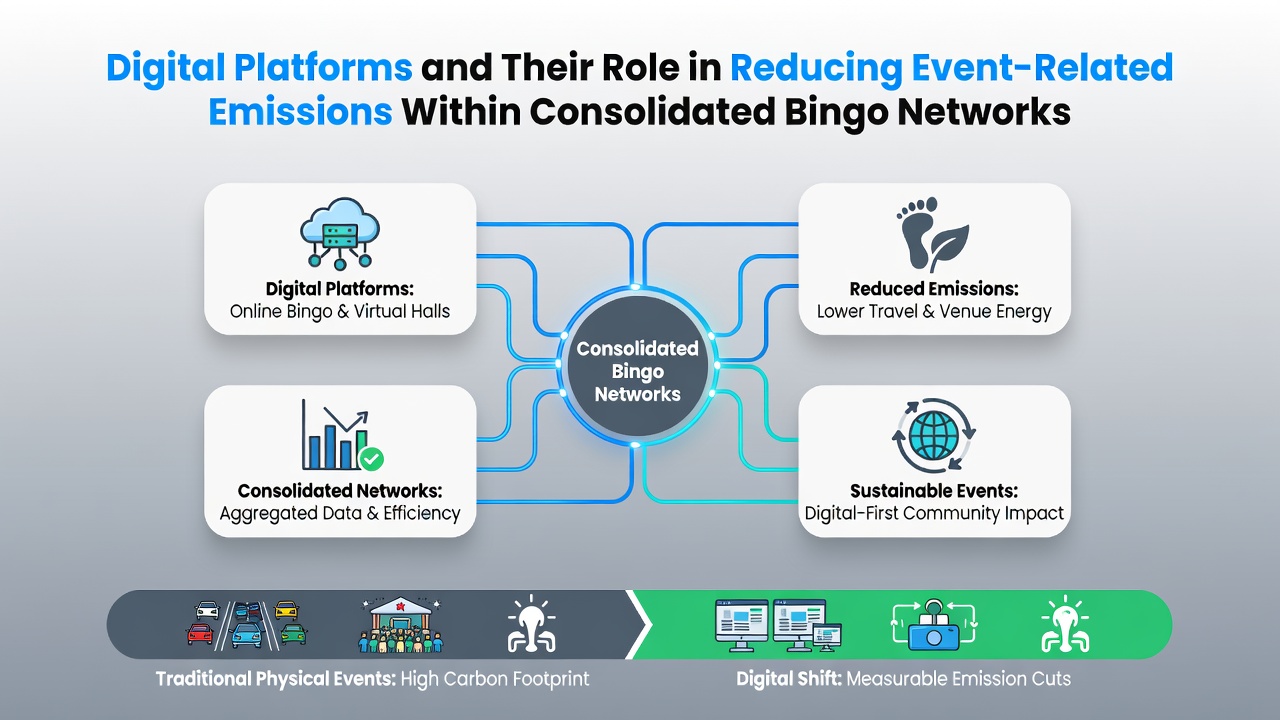
Consolidated bingo networks have expanded their reach through shared digital platforms that coordinate schedules, player registrations, and prize distributions across multiple venues without requiring separate physical gatherings for every session, and this integration has produced measurable drops in transportation demands plus venue energy consumption according to industry reports. Data from network operators shows that centralized booking systems cut duplicate events by up to 35 percent in regions where multiple halls once ran independent calendars, while players access the same games through apps or web portals that sync in real time.
Core Mechanisms Behind Emission Cuts
Platform algorithms analyze player demand patterns across entire networks and consolidate sessions into fewer high-attendance events, which reduces the total number of venue openings per week and the associated heating, cooling, and lighting loads that contribute to carbon output. Researchers tracking these systems note that predictive scheduling tools also minimize last-minute cancellations that previously wasted resources on setup and promotion, and the same tools route participants toward the nearest participating hall rather than spreading attendance thinly across distant locations.
Virtual participation options further shrink travel emissions because many players now join from home devices during peak network hours, and consolidated networks report that hybrid formats account for 28 percent of total play volume in markets that adopted unified platforms by early 2025. Figures from transport studies indicate that each avoided car trip of average length removes roughly 2.3 kilograms of CO2, and networks operating at scale record thousands of such avoided trips weekly when digital alternatives replace separate venue visits.
Technology Integration in Practice
Cloud-based dashboards allow operators to monitor live attendance, adjust prize pools dynamically, and broadcast games simultaneously to in-person and remote audiences, which eliminates the need for redundant staff travel between sites. One network in North America implemented these tools in late 2024 and documented a 22 percent reduction in staff vehicle mileage over the following twelve months while maintaining or increasing total player engagement.
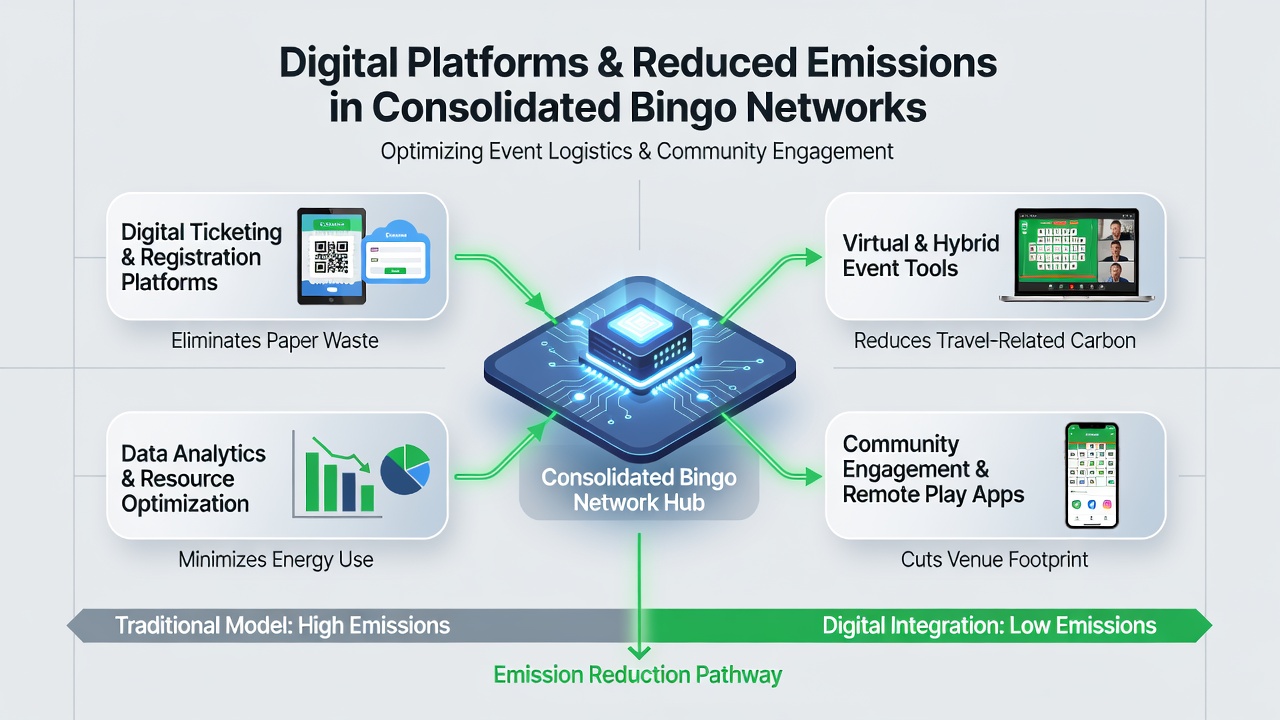
Electronic verification of player eligibility and automated payout systems remove paper-based processes that once accompanied large events, and the shift cuts waste disposal requirements while lowering the energy needed for printing and physical record storage. Observers at regulatory agencies note that digital audit trails also satisfy compliance checks without on-site inspections that previously added to administrative travel.
Regional Data and July 2026 Developments
Canadian gaming authorities released updated emission accounting guidelines in July 2026 that now include digital bingo participation as a distinct category, and early submissions from consolidated networks show consistent year-over-year declines in per-player carbon intensity. Australian trade associations have published parallel findings that link platform adoption rates directly to lower aggregate fuel consumption in regional bingo circuits, and European operators have begun sharing similar datasets through industry forums that emphasize standardized measurement protocols.
These reports highlight how consolidated networks leverage API connections between ticketing, streaming, and logistics software to optimize bus or shuttle routes on event days, and several mid-sized operators have reduced chartered transport runs by nearly half after implementing demand forecasting. The same infrastructure supports targeted promotions that fill existing sessions rather than creating new ones, which keeps total venue utilization high without expanding the physical footprint.
Measurement and Verification Approaches
Independent auditors apply life-cycle assessment models to compare pre- and post-platform emission profiles, and the resulting metrics isolate contributions from player travel, venue operations, and supply-chain deliveries. Networks that publish these assessments demonstrate transparency that appeals to sponsors seeking lower-impact marketing channels, and several have secured partnerships with environmental certification programs that recognize the documented reductions.
Continued refinement of machine-learning models promises further gains because the systems learn from seasonal patterns and local events that affect attendance, allowing operators to fine-tune schedules months in advance. Data indicates that networks using at least three years of historical platform records achieve the steepest declines, while newer adopters still record double-digit percentage improvements within the first operational year.
Conclusion
Digital platforms within consolidated bingo networks deliver measurable emission reductions by synchronizing operations, enabling remote access, and optimizing physical resource use across multiple sites. Ongoing data collection through July 2026 and beyond will clarify the full scale of these benefits as more regions adopt unified systems and refine their reporting standards.