Bingo's Unexpected Role in Boosting Cognitive Skills Among Retirees Through Regular Play Sessions
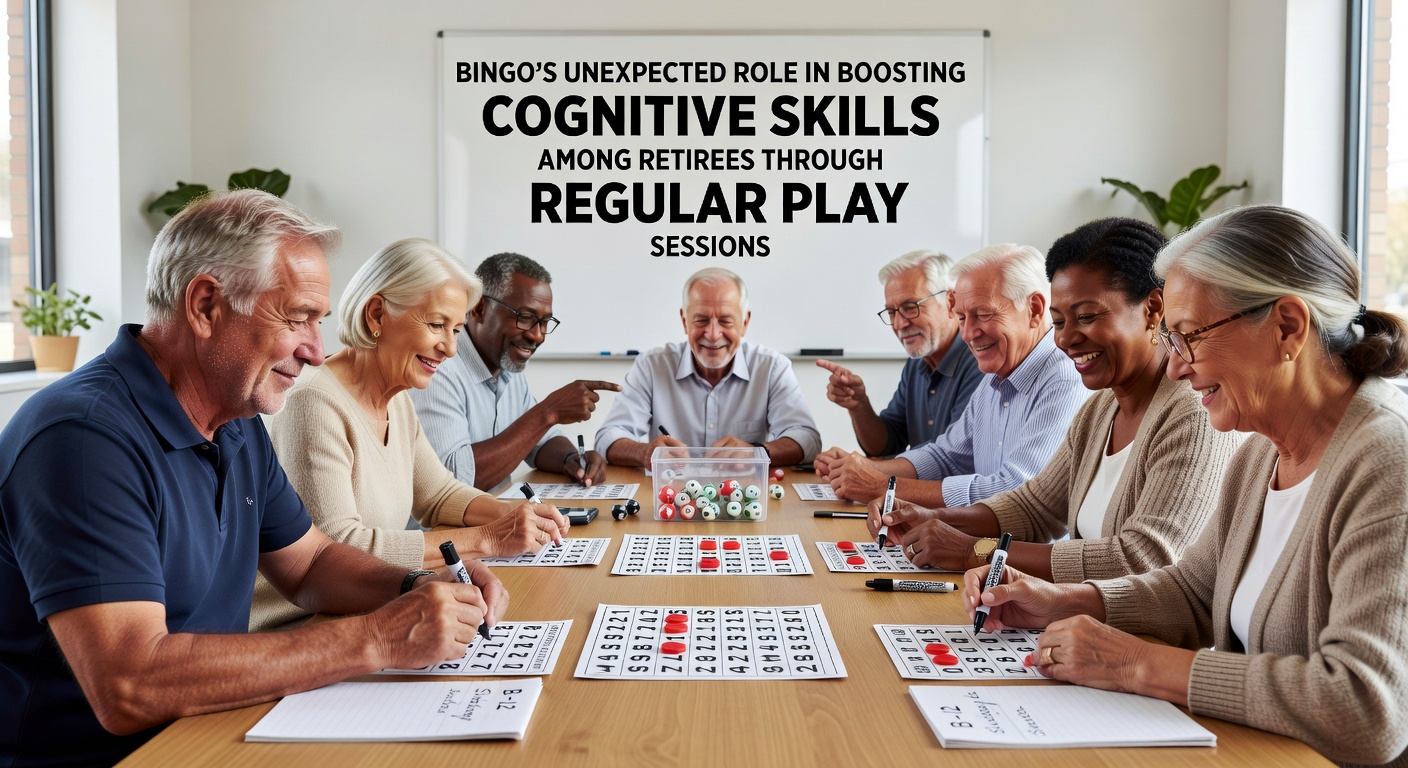
Retirees across various regions maintain active social calendars through bingo events that combine number matching with rapid pattern identification and these activities draw on multiple brain functions including attention span and short-term memory recall. Regular participation requires players to scan cards quickly while listening for called numbers which exercises auditory processing and visual tracking simultaneously and community centers report steady attendance growth among adults over 65 as programs expand to include themed nights and progressive jackpots. Data from health agencies indicate that structured leisure activities like bingo correlate with slower rates of cognitive decline when sessions occur at least twice weekly and participants often track personal performance improvements over months of consistent play.
Cognitive Processes Engaged During Play
Bingo demands sustained focus as players monitor multiple cards and mark matches under time pressure while the game structure encourages strategic decisions such as choosing optimal card layouts before rounds begin. Researchers have documented gains in processing speed among regular players because each round forces quick differentiation between similar numbers and this repeated exercise strengthens neural pathways associated with executive function. Observers note that auditory elements further challenge working memory since participants must retain the sequence of called numbers long enough to complete rows or patterns and facilities that host daily sessions see measurable engagement from those who previously reported mild memory lapses.
Studies conducted through university-affiliated gerontology programs reveal that the combination of numerical recognition and spatial awareness in bingo mirrors tasks used in clinical cognitive assessments yet the recreational setting reduces performance anxiety. Retirees who join weekly groups frequently report improved concentration during other daily tasks and program coordinators track attendance data showing higher retention rates when games incorporate progressive difficulty levels such as blackout patterns or speed rounds. In May 2026 several regional health networks plan expanded outreach to link bingo programs with cognitive wellness workshops allowing participants to pair game sessions with brief memory exercises tailored for older adults.
Social Dynamics and Supporting Evidence
Community bingo halls foster interactions that extend beyond the game table because players discuss strategies share stories and celebrate wins together which builds emotional support networks known to buffer against isolation-related cognitive risks. Government health reports from Australia link regular group participation with lower incidence of depressive symptoms among seniors and these social ties encourage continued attendance even when physical mobility challenges arise. Facilities adapt by offering transportation assistance and large-print cards so broader demographics can join without barriers.
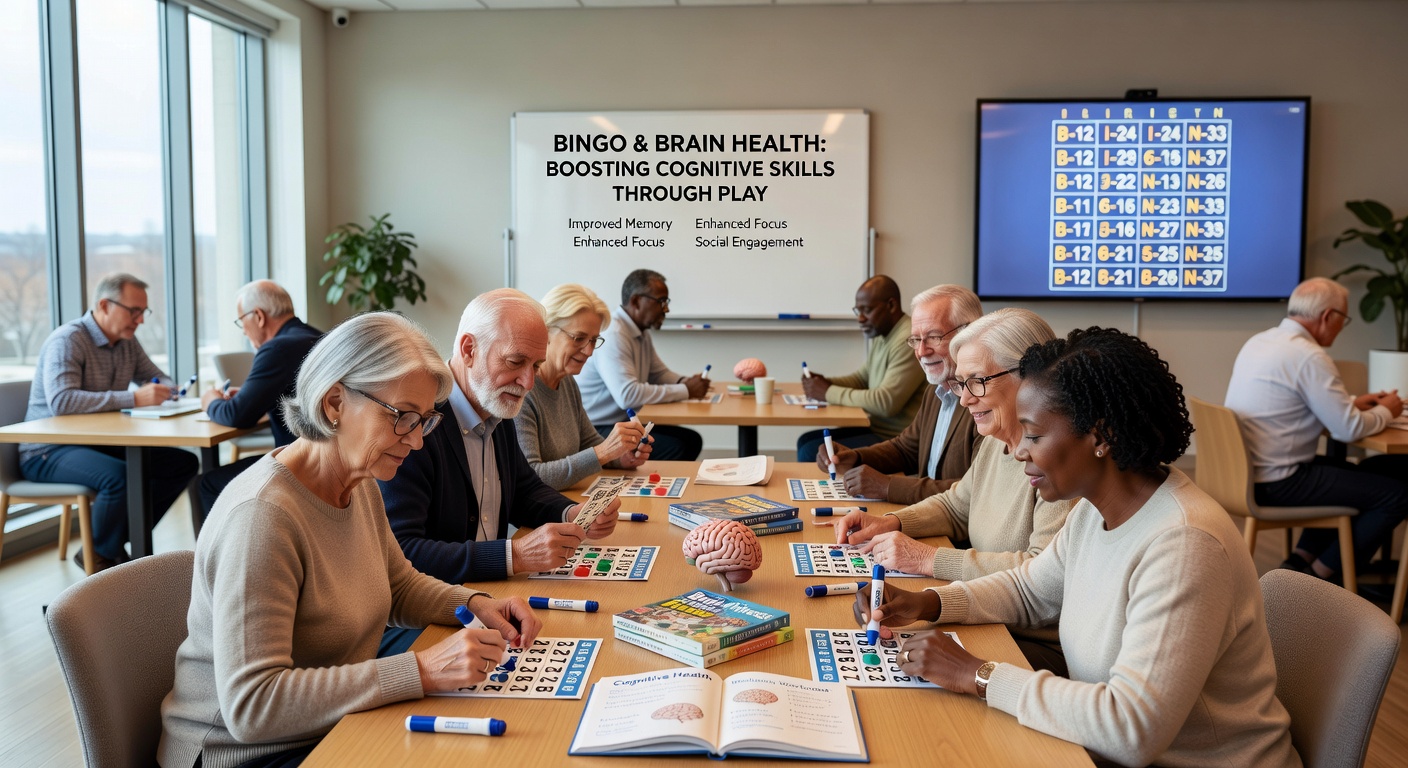
Longitudinal observations compiled by the National Institute on Aging track cohorts of retirees who maintain bingo routines and findings show preserved scores on standardized tests measuring verbal fluency and attention after two years compared with less active peers. One program in Canada integrated bingo with light physical movement breaks adn participants demonstrated additional benefits in hand-eye coordination alongside cognitive metrics. Those who study leisure patterns among older adults emphasize that the predictable yet stimulating nature of bingo provides structure that many retirees seek after leaving structured work environments and attendance logs from senior centers confirm higher consistency than with solitary puzzle activities.
Implementation of Regular Sessions
Organizations establish successful bingo programs by scheduling fixed times each week which allows retirees to build routines around transportation and medication schedules while venues supply adaptive equipment such as electronic number boards for those with visual impairments. Training for facilitators includes basic awareness of cognitive health indicators so sessions remain inclusive and enjoyable without pressure. Partnerships with local libraries and health clinics have produced hybrid models where educational talks on brain fitness precede game play and these formats attract newcomers who might otherwise hesitate to join competitive settings.
Attendance statistics from multi-site surveys indicate that programs running three or more sessions monthly achieve the strongest continuity among participants and many groups incorporate seasonal themes or charitable causes to sustain interest. Data collected through regional aging services show correlations between frequent play and self-reported improvements in daily problem solving yet individual results vary based on overall health and prior activity levels. Coordinators recommend starting with shorter sessions for beginners and gradually increasing complexity to match group preferences.
Conclusion
Regular bingo play integrates cognitive challenges with social engagement in ways that support brain health maintenance among retirees as evidenced by attendance trends and research outcomes across multiple countries. Facilities continue to refine formats to accommodate diverse needs while preserving the core elements of number recognition and pattern completion that drive mental stimulation. As participation grows through 2026 health networks anticipate further documentation of long-term effects through ongoing cohort studies and community partnerships. Retirees interested in these benefits locate programs through senior centers or online directories that list local schedules and accessibility features.