Bingo Trends for 2026 Highlight Shifts Toward Mobile Access and Varied Game Paces
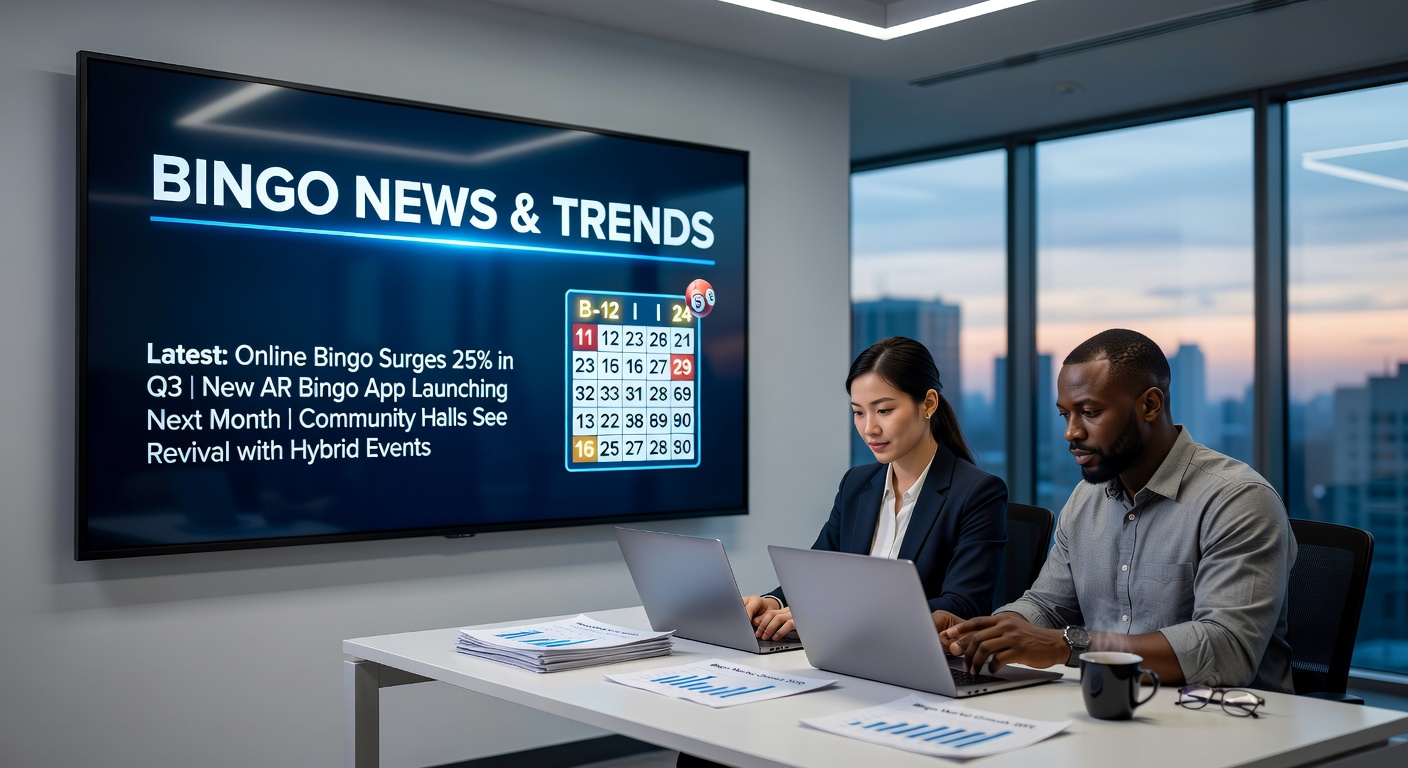
Reports from early 2026 indicate that bingo continues to adapt through formats designed around shorter time commitments and digital platforms while operators work to preserve social aspects that have long defined the game. Data from industry analyses show operators prioritizing mobile optimization alongside live streaming options that connect participants across locations. According to perspectives shared in March 2026 coverage, these changes respond directly to schedules that leave limited room for extended sessions yet still value group interaction elements.
Core Formats Retain Roots While Adding Layers
Traditional 90-ball bingo remains central in many regions yet receives updates through themed events that rotate weekly topics such as holiday motifs or pop culture references. Pattern-based 75-ball variants emphasize specific winning shapes rather than full cards which allows quicker resolution times during each round. The 80-ball option sits between these two by blending number ranges with balanced payout structures that appeal to players seeking consistent engagement without extreme duration. Rapid 30-ball games accelerate the entire sequence so participants finish multiple rounds within brief windows; this structure suits commuters and shift workers who check in during breaks. Slingo hybrids combine bingo grids with slot mechanics where matching symbols trigger both line completions and reel spins simultaneously creating a layered experience that draws from two established formats at once.
Flexibility Drives Platform Adjustments
Operators report increased investment in applications that adjust interface sizes across devices while maintaining real-time updates for number calls and chat features. Live sessions stream from physical halls or virtual studios with hosts who interact through video feeds and instant messaging. In-game extras appear as optional side challenges such as bonus patterns or multiplier rounds that activate mid-game without extending overall playtime. These additions keep engagement high during shorter visits yet allow players to exit cleanly when needed. Figures from gaming trend reports reveal that sessions lasting under fifteen minutes now represent a growing share of total activity across major platforms.
Community Elements Persist Through New Channels
Despite faster pacing and remote access options the social component stays visible through integrated chat rooms and group leaderboards that track collective progress. Themed sessions often include shared goals where participants contribute to a common target such as filling multiple cards together for a pooled prize. Real-time interaction during live streams replicates the call-and-response rhythm found in traditional halls while permitting viewers from different time zones to join the same event. Observers note that these features help sustain the sense of shared experience even when physical gatherings occur less frequently due to scheduling demands.
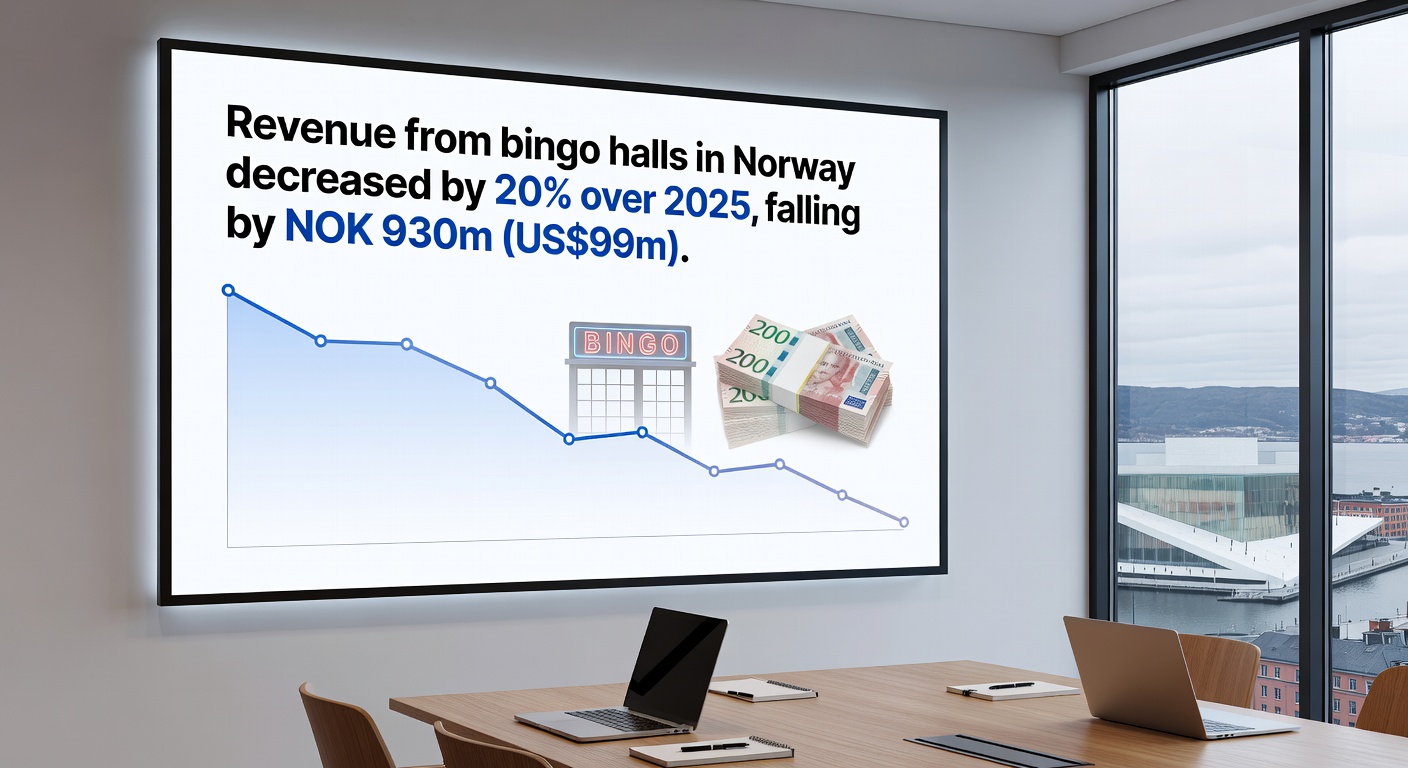
Industry sources including the European Gaming Association have documented how these hybrid approaches maintain participation rates in markets where daily routines limit longer commitments. Data collected through June 2026 shows steady uptake of the thirty-ball and Slingo options particularly among users accessing games via smartphones during commutes or lunch periods. Meanwhile eighty-ball and seventy-five-ball formats continue to attract those who prefer structured patterns that reward strategic card selection.
Operator Focus on Real-Time Features
Live streaming combined with instant extras forms the backbone of current offerings as operators seek to replicate the energy of in-person events. Chat moderation tools and scheduled host appearances help structure conversations so they remain active without overwhelming the main gameplay. Additional layers such as progressive jackpots that build across multiple short sessions encourage repeat visits within a single day rather than requiring one extended block of time. These mechanics align with lifestyle patterns where availability comes in fragments yet cumulative play remains meaningful.
Regional Patterns Emerge in Adoption Rates
Markets in North America and parts of Asia show stronger movement toward thirty-ball speed games according to aggregated platform statistics while European venues retain higher shares of ninety-ball with themed overlays. Australian operators have introduced balanced eighty-ball variants at higher volumes as noted in reports from the Australian Gambling Research Centre. Each region integrates mobile tools differently yet the common thread involves shortening core rounds and adding digital conveniences that fit around existing obligations.
Conclusion
By mid-2026 the landscape reflects deliberate adjustments that accommodate varied schedules through shorter formats mobile interfaces and live extras while operators continue to embed community signals such as shared chats and collaborative goals. The combination of established ball counts with pattern twists and hybrid mechanics provides multiple entry points that match different preferences without discarding the foundational structure of number matching and social recognition. These developments position bingo to remain accessible as daily routines evolve.