Bingo Game Nights Fuel Neighborhood Revitalization Across Communities
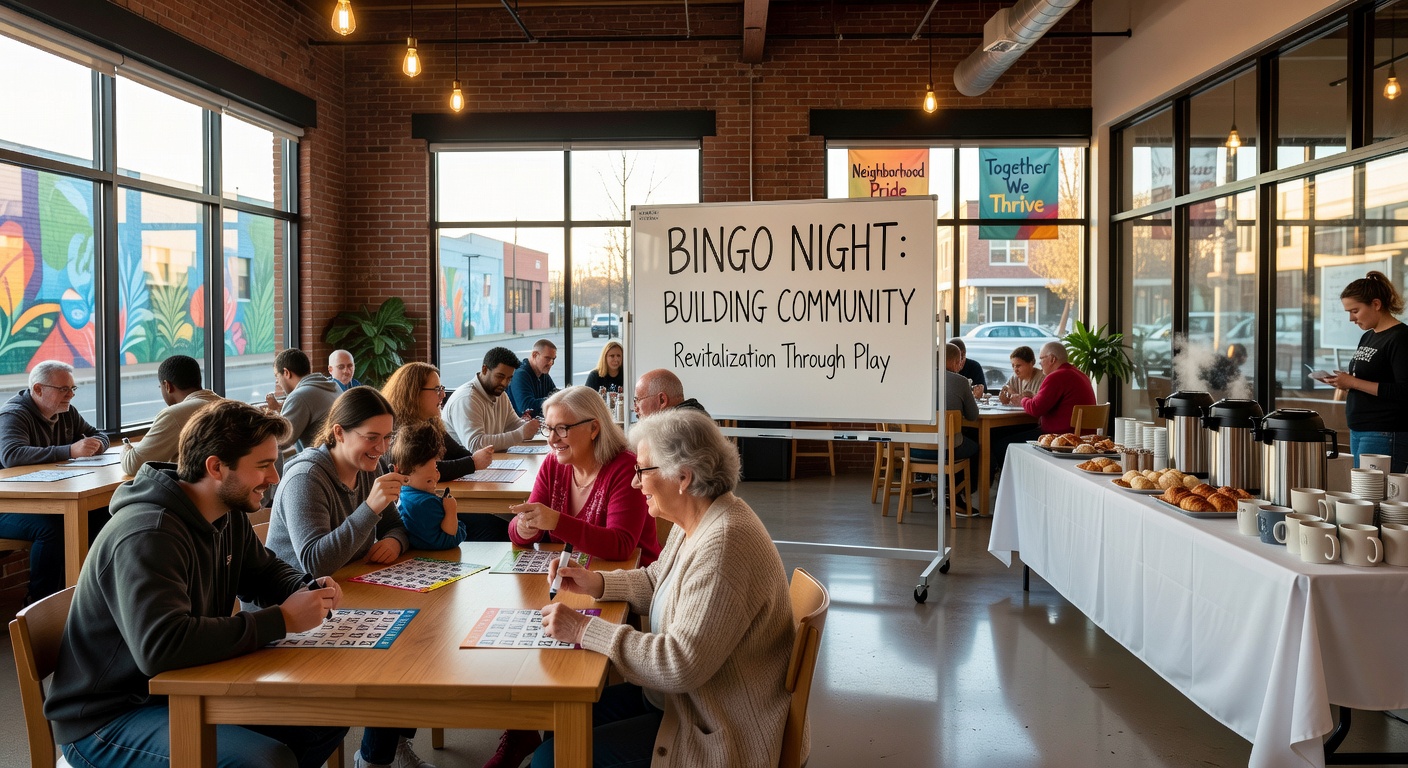
Bingo game nights have become recurring fixtures in community centers and local venues where residents gather weekly or monthly to play and connect; these events often spark measurable changes in neighborhood dynamics because they draw consistent foot traffic while supporting nearby businesses through increased patronage. Data from municipal planning offices shows that areas hosting regular bingo sessions experience upticks in local commerce, particularly when organizers partner with nearby restaurants and shops for pre-game discounts or post-event promotions.
Social Connections That Anchor Revitalization
Recurring bingo nights create repeated opportunities for interaction among neighbors who might otherwise remain isolated, and researchers at institutions such as the Urban Institute have documented how these gatherings strengthen social networks that later translate into collaborative efforts like block cleanups and shared advocacy for infrastructure improvements. In several Midwestern cities, for instance, attendance records indicate that bingo participants form volunteer committees within six months of joining regular sessions, leading to coordinated applications for community grants that fund park renovations and street lighting upgrades.
Observers note that the structured yet relaxed format of bingo allows people of varying ages and backgrounds to participate without requiring prior skills, which broadens the demographic mix at each event and reduces the social fragmentation that often stalls revitalization projects. When these networks solidify, neighborhoods report higher rates of resident retention because individuals feel invested in the collective progress rather than viewing their surroundings as temporary stops.
Economic Ripple Effects From Consistent Gatherings
Local economies benefit when bingo nights recur because venues purchase supplies from area vendors and participants spend on transportation, food, and small retail items before or after play. Figures from regional development agencies reveal that neighborhoods with established game-night schedules see an average 12 to 15 percent rise in evening business activity on those dates, with the effect compounding as word spreads and additional residents join. This pattern holds across both urban and suburban settings where halls coordinate with transit authorities to extend bus routes during event hours.
Case Examples From Multiple Regions
Take one program in a Pacific Northwest city where a community center launched weekly bingo sessions in partnership with a neighborhood association; within the first year, organizers tracked a 22 percent increase in applications for small-business permits from entrepreneurs who cited the game nights as their initial introduction to the district. Another initiative in an Australian regional town used bingo proceeds to subsidize youth mentorship programs, which in turn lowered local vacancy rates as families relocated closer to the supported activities.
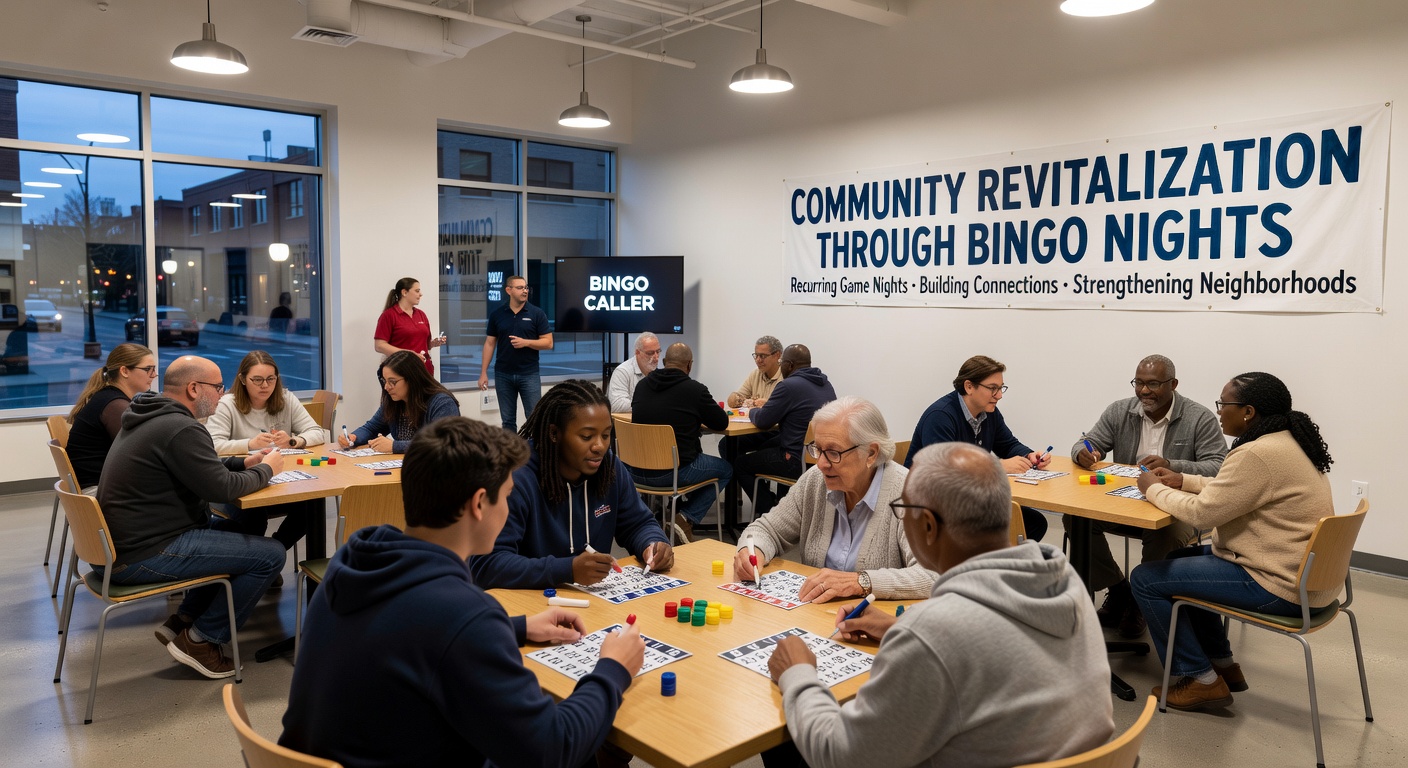
European municipalities have adopted similar models, with data from the European Foundation for the Improvement of Living and Working Conditions indicating that recurring leisure events like bingo correlate with improved perceptions of safety and higher participation in civic planning meetings. These outcomes emerge because the predictable schedule gives residents a reliable reason to return to the same area repeatedly, turning sporadic visits into habitual engagement.
Integration With Broader Planning Strategies in 2026
By June 2026 several city governments plan to incorporate bingo-based programming into official revitalization frameworks, citing internal audits that link sustained attendance to measurable gains in property values and reduced crime reports within a half-mile radius of host venues. Planners emphasize coordination with housing authorities so that new affordable units include dedicated space for game nights, ensuring the social infrastructure grows alongside physical redevelopment.
Funding streams from federal community development allocations now explicitly list recurring recreational events as eligible activities, which allows neighborhood groups to budget for equipment and marketing without diverting resources from core infrastructure needs. This policy shift reflects longitudinal studies showing that social programming sustains momentum after initial construction phases end.
Conclusion
Recurring bingo game nights connect to neighborhood revitalization through documented channels of social cohesion, local spending, and civic participation that accumulate over time. Municipal records and academic analyses continue to track these patterns across diverse regions, confirming that the simple repetition of accessible gatherings produces tangible support for broader renewal efforts when integrated with existing planning tools.